
THE STORY
For many years now, the topic of fast fashion has become very relevant and is mentioned all the time. The fashion industry, and specifically the textile industry, is one of the most polluting on the planet. If we add the growing pace of consumption, fast fashion becomes even more serious.
 But what does it involve? Fast fashion is a production model within fashion that is, literally, fast fashion. It takes trends and adapts them quickly; its speed also translates into high levels of production and waste, as well as the use of low-quality materials. In addition, manufacturing processes tend to be murky and to harm the working conditions of its workers.

Perhaps one of its worst implications is the ecological one, but also the one of use. Clothing production accounts for 10% of global carbon dioxide emissions and most garments are not worn more than 10 times.
 The polluting effects of garment production reach land and water, from production to washing, which releases some 500 thousand tons of microplastics into the oceans every year. And, as if that were not enough, 73% of the clothing produced each year ends up incinerated or in landfills, not to mention that production involves chemicals that are highly harmful to human health.
 The desire to be on trend has a very high impact, but what is acquired is disposable. This kind of fashion is made to be thrown away, which produces closets full of pieces with no timelessness and no durability. Following trends literally creates a consumption model that is easily exhausted.
 In contrast, there is a far more commendable model that promises a better outlook in the face of fast fashion's voracity. Its opposite, slow fashion. This model aims to be a refuge for fashion and to offer customers products of far greater quality and permanence. The timeless has an unmatched strength.

Generally, slow fashion pieces are made to last in every sense. Materials are carefully selected and designs are created to last for many seasons. The way of working is far kinder to workers, respecting their mastery and talent; and to the environment, creating a much smaller ecological footprint than fast fashion.
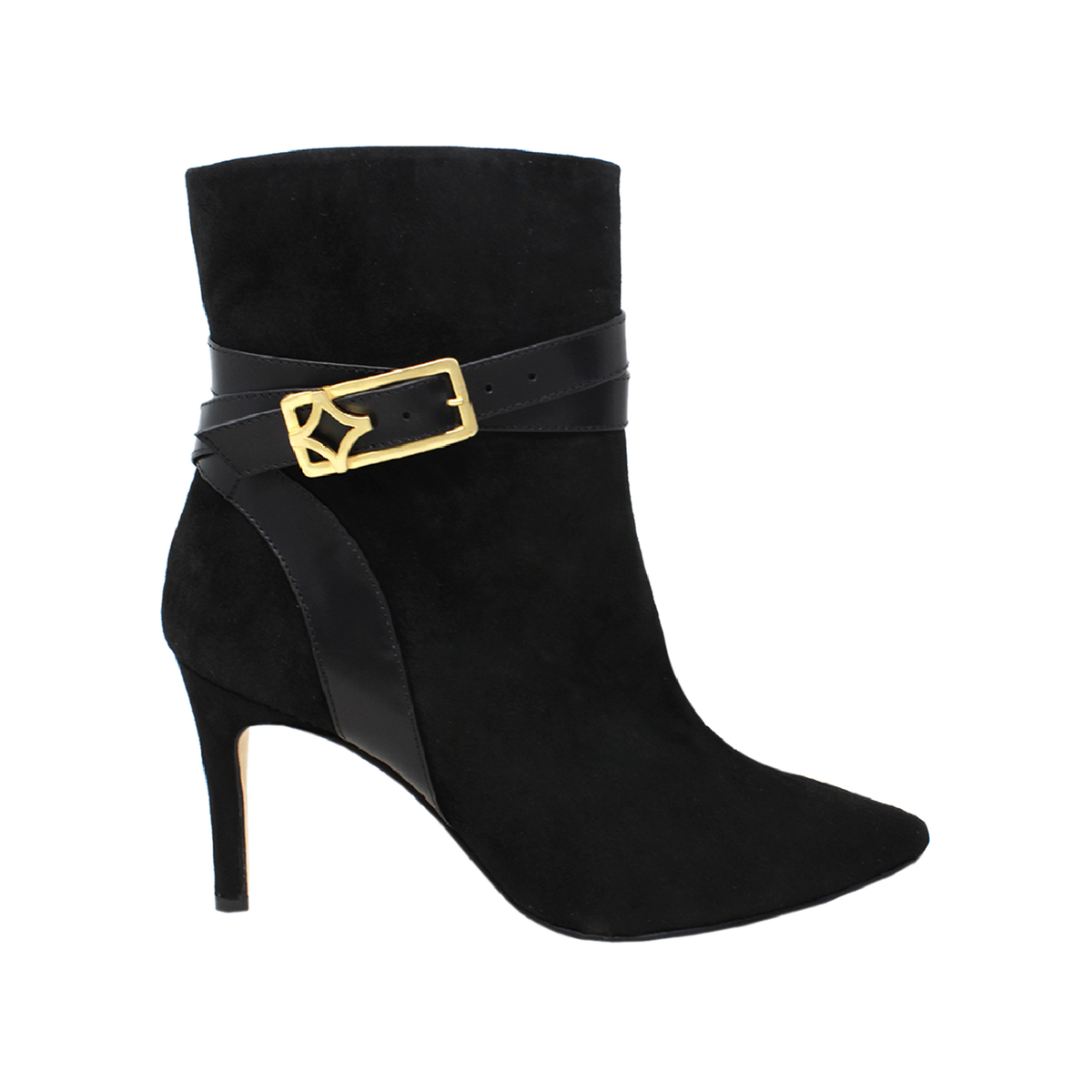
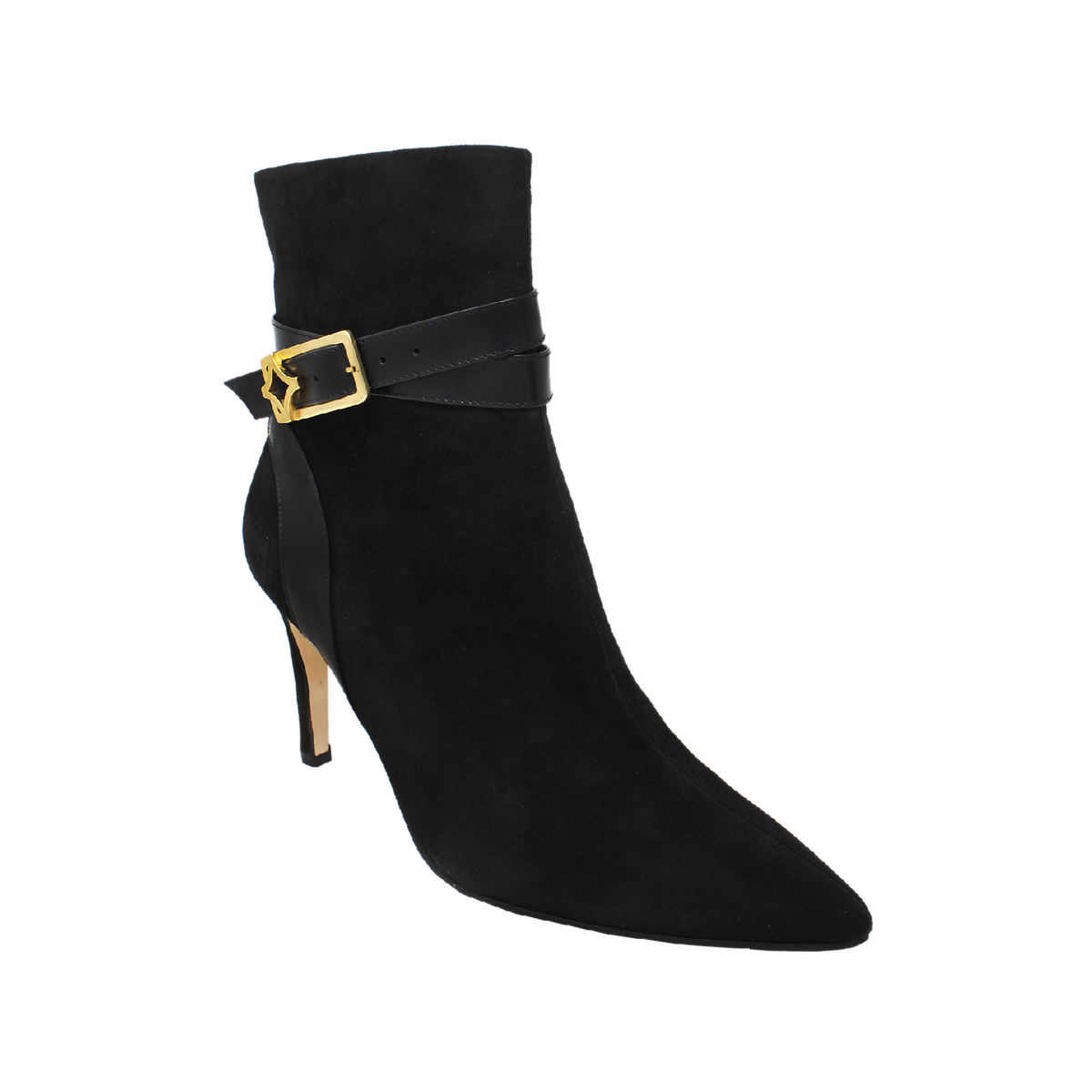
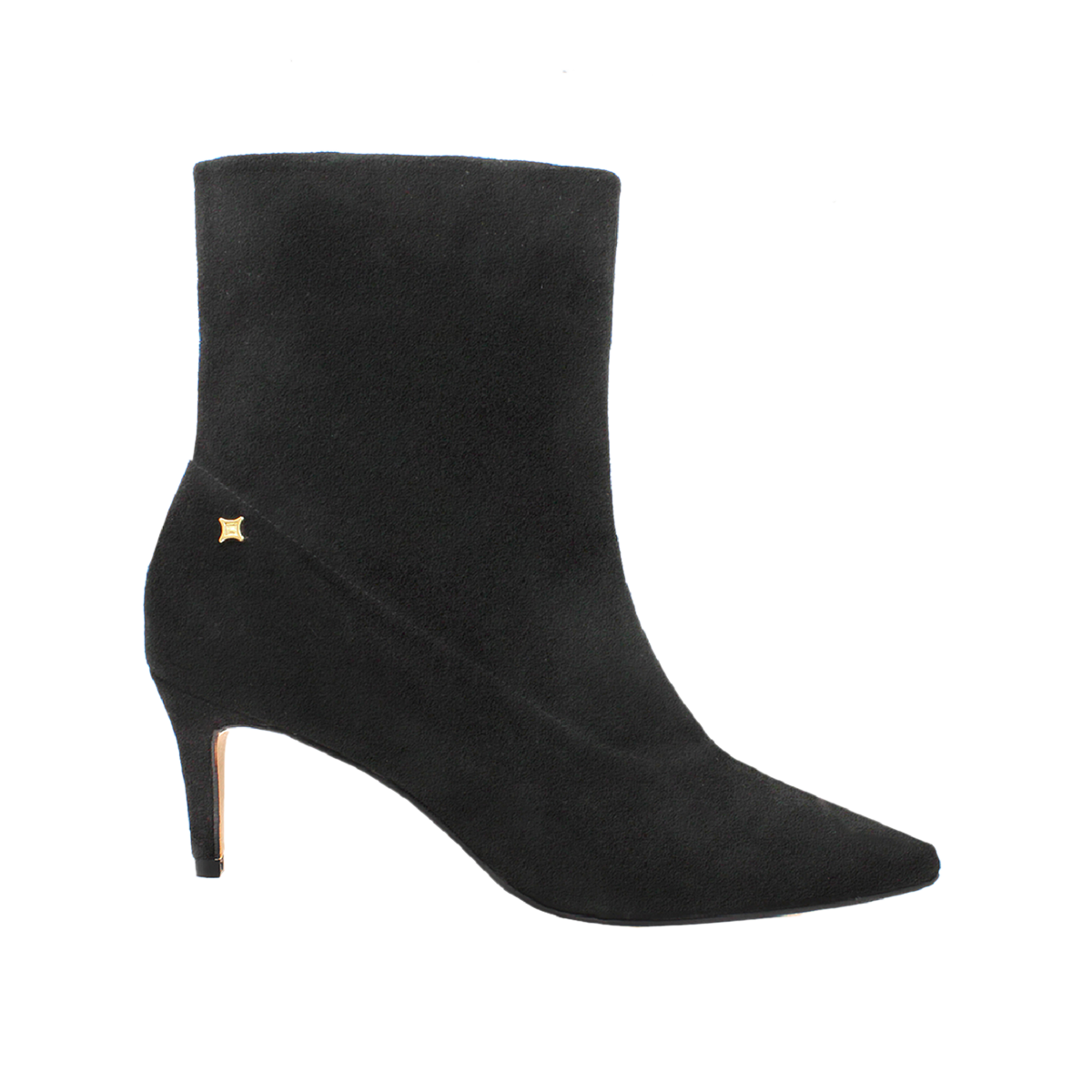
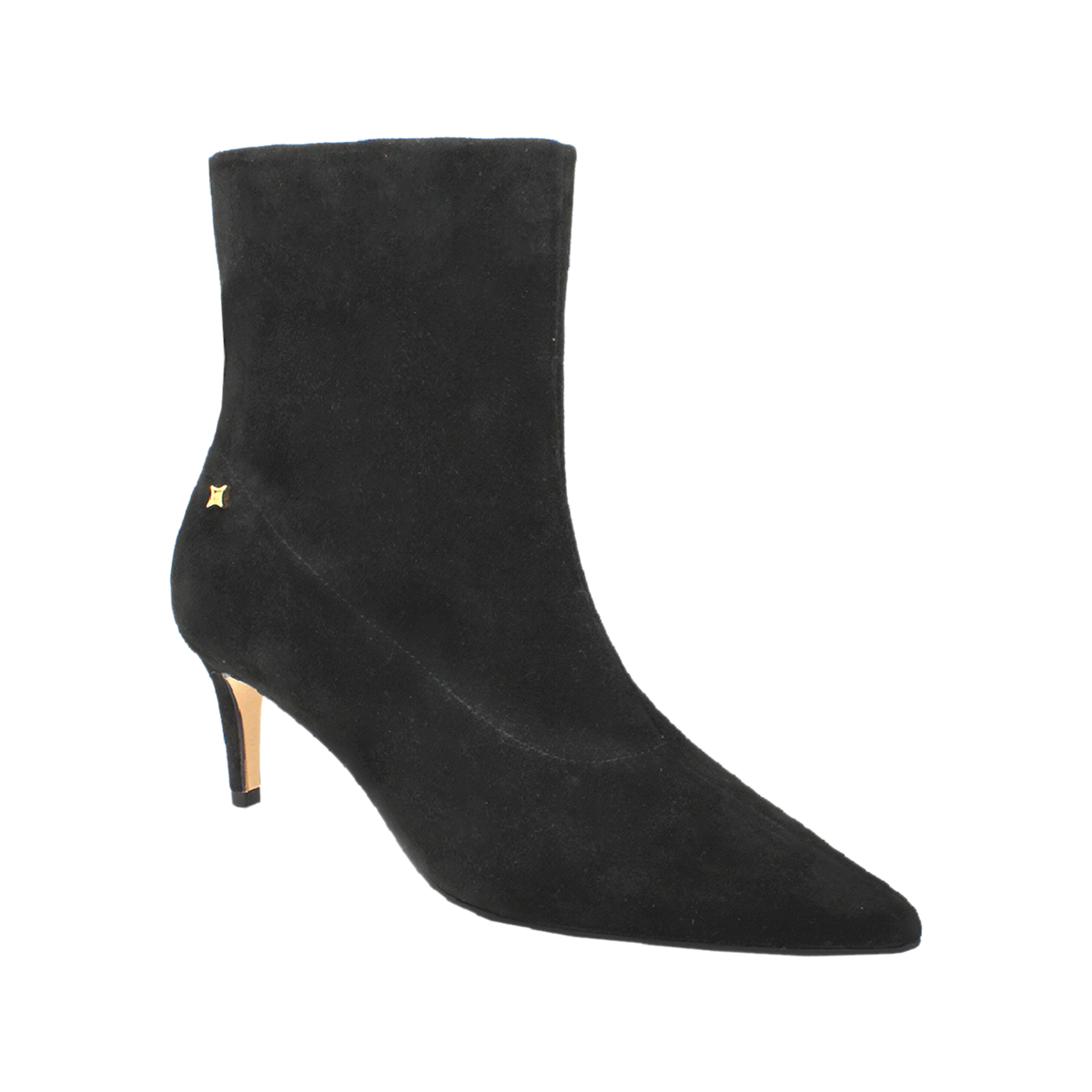
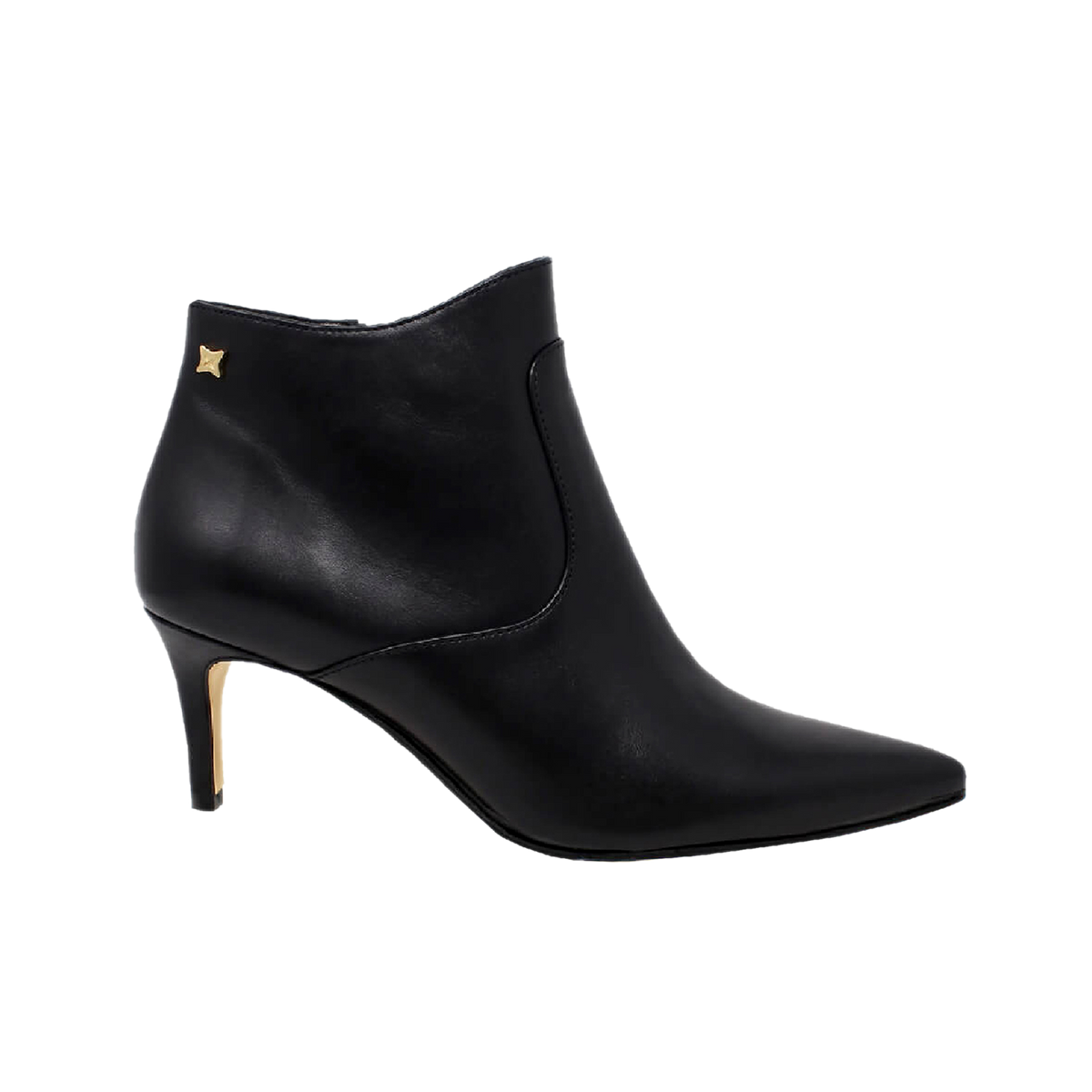
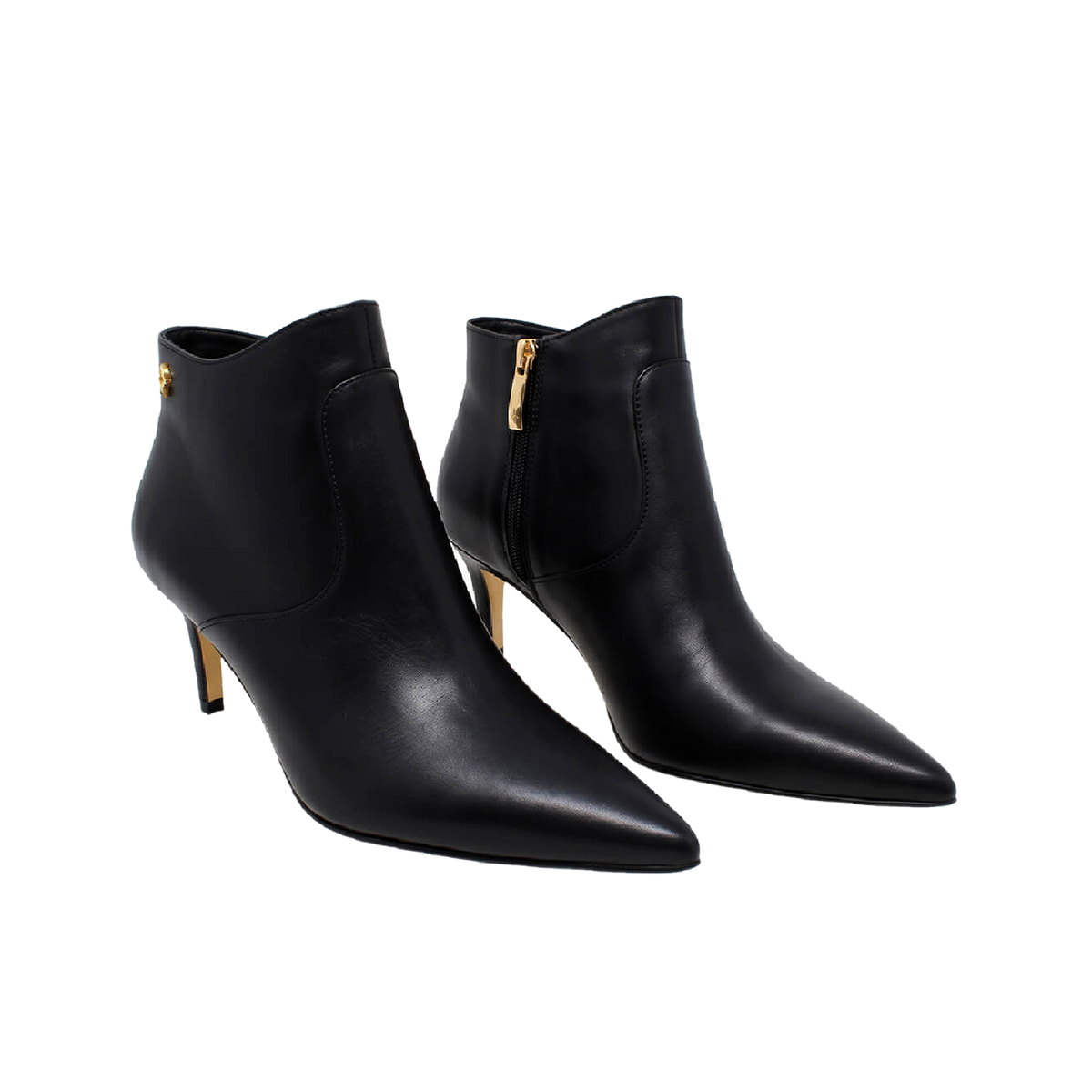
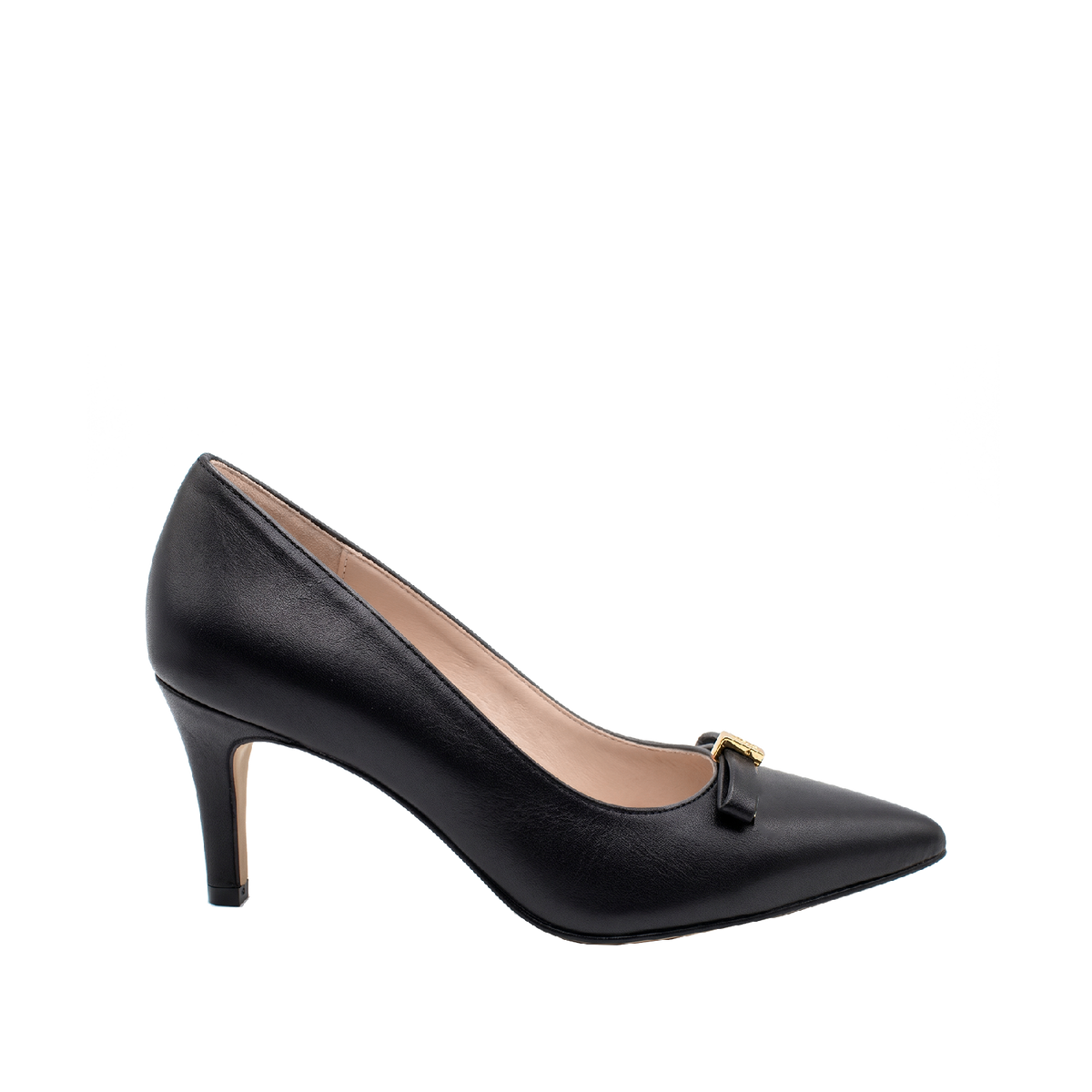
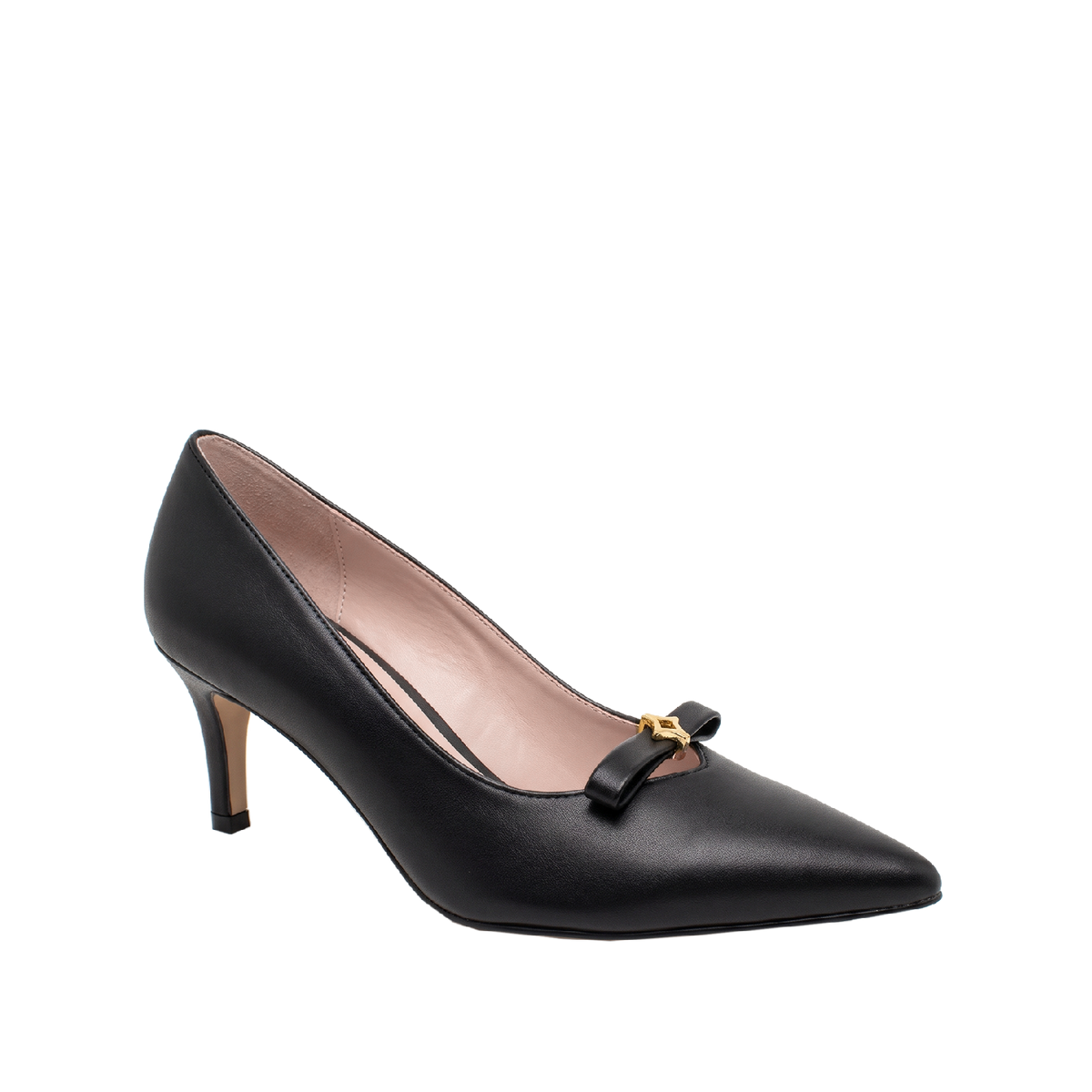
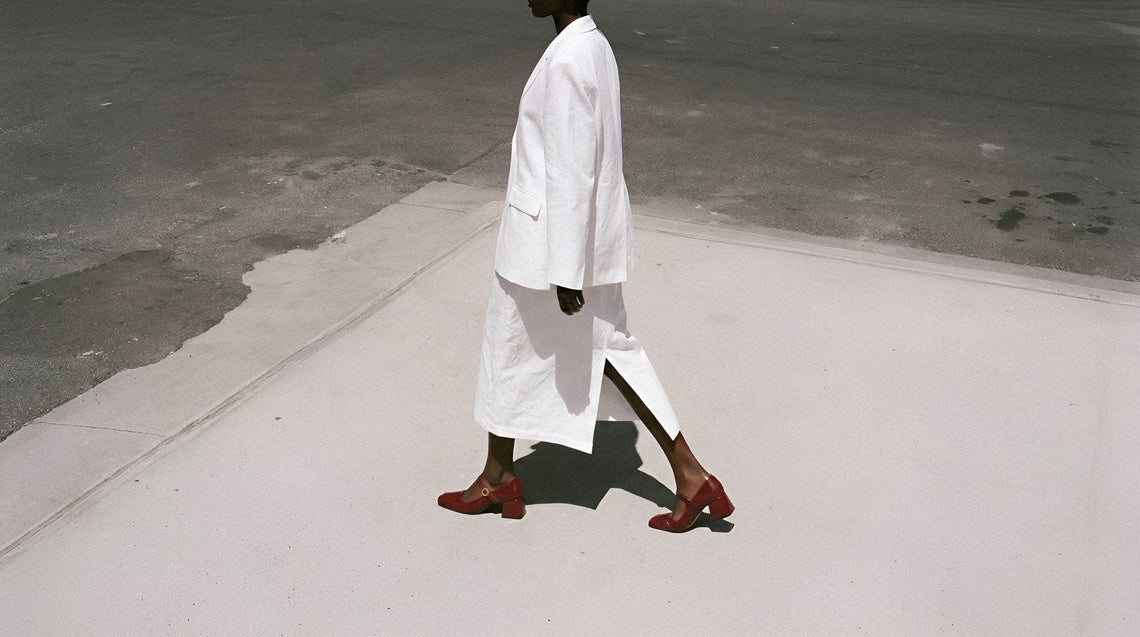
 Judy model, our great timeless icon
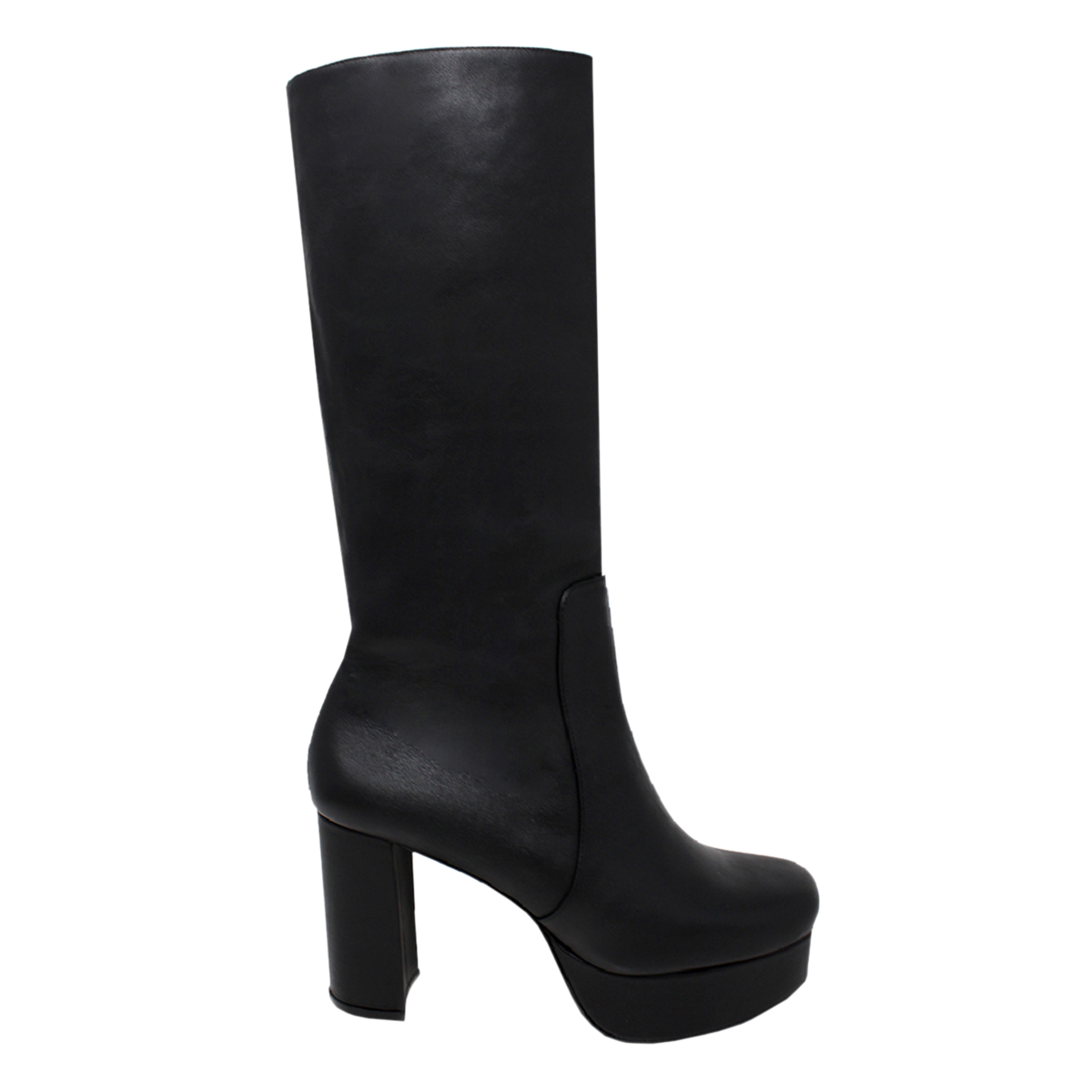
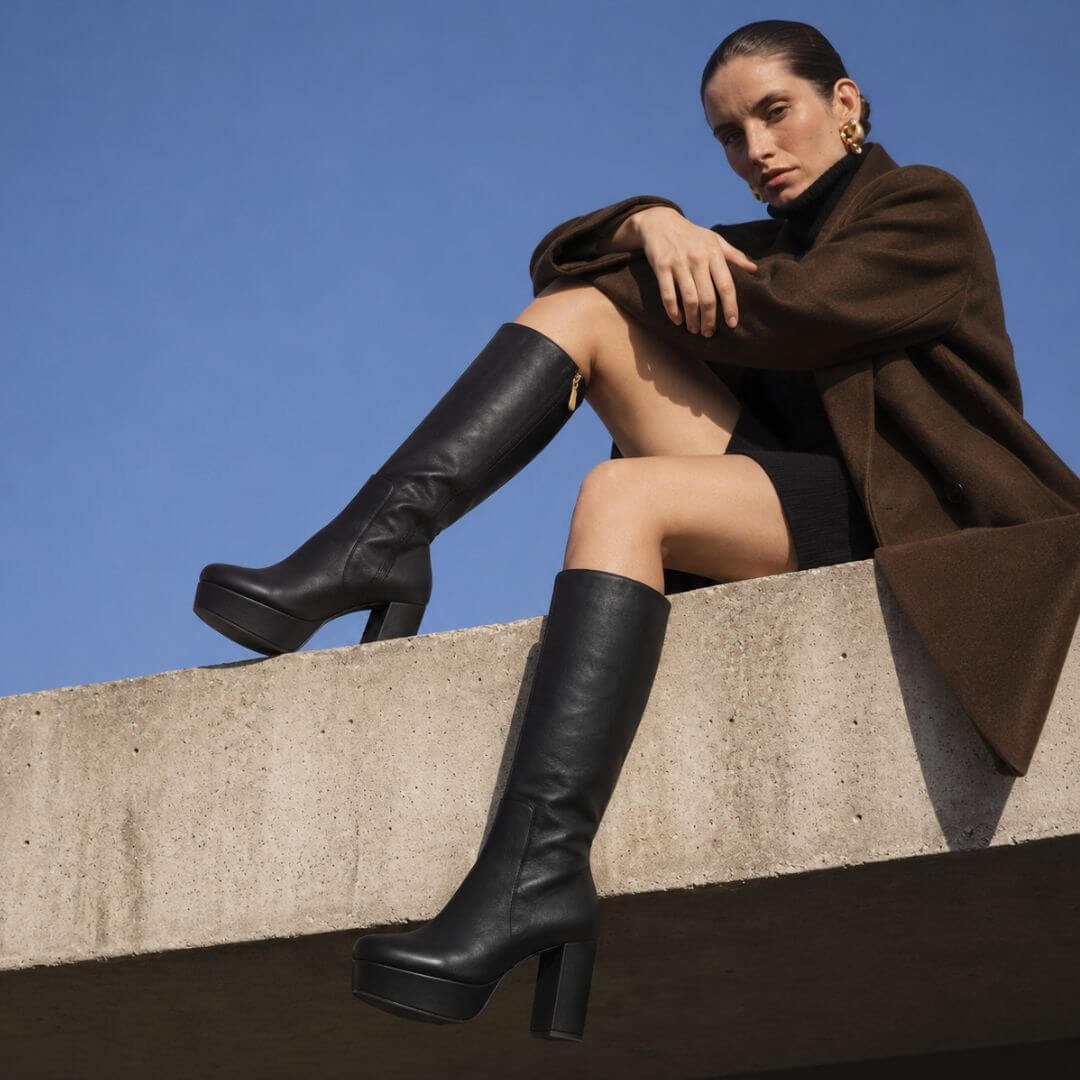
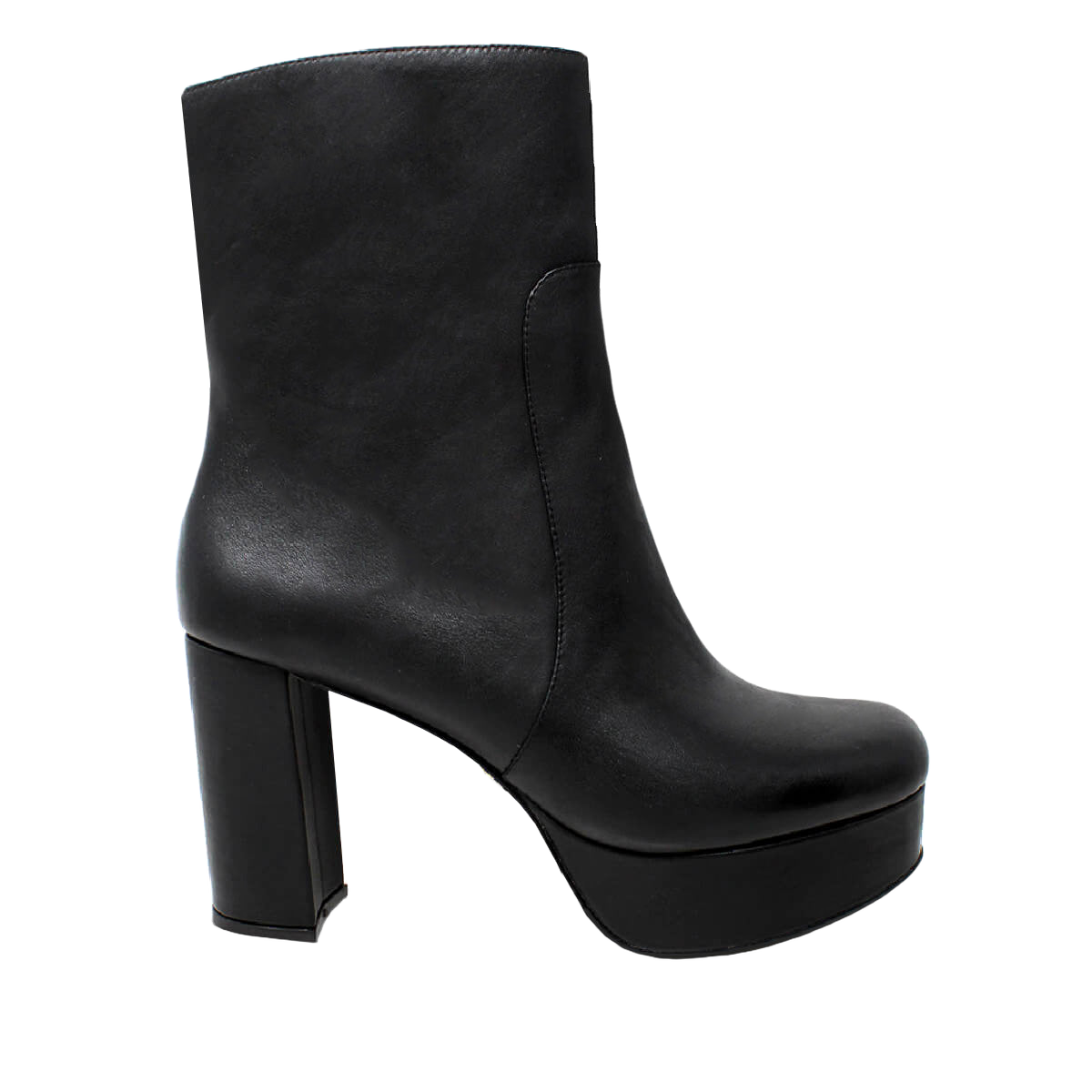
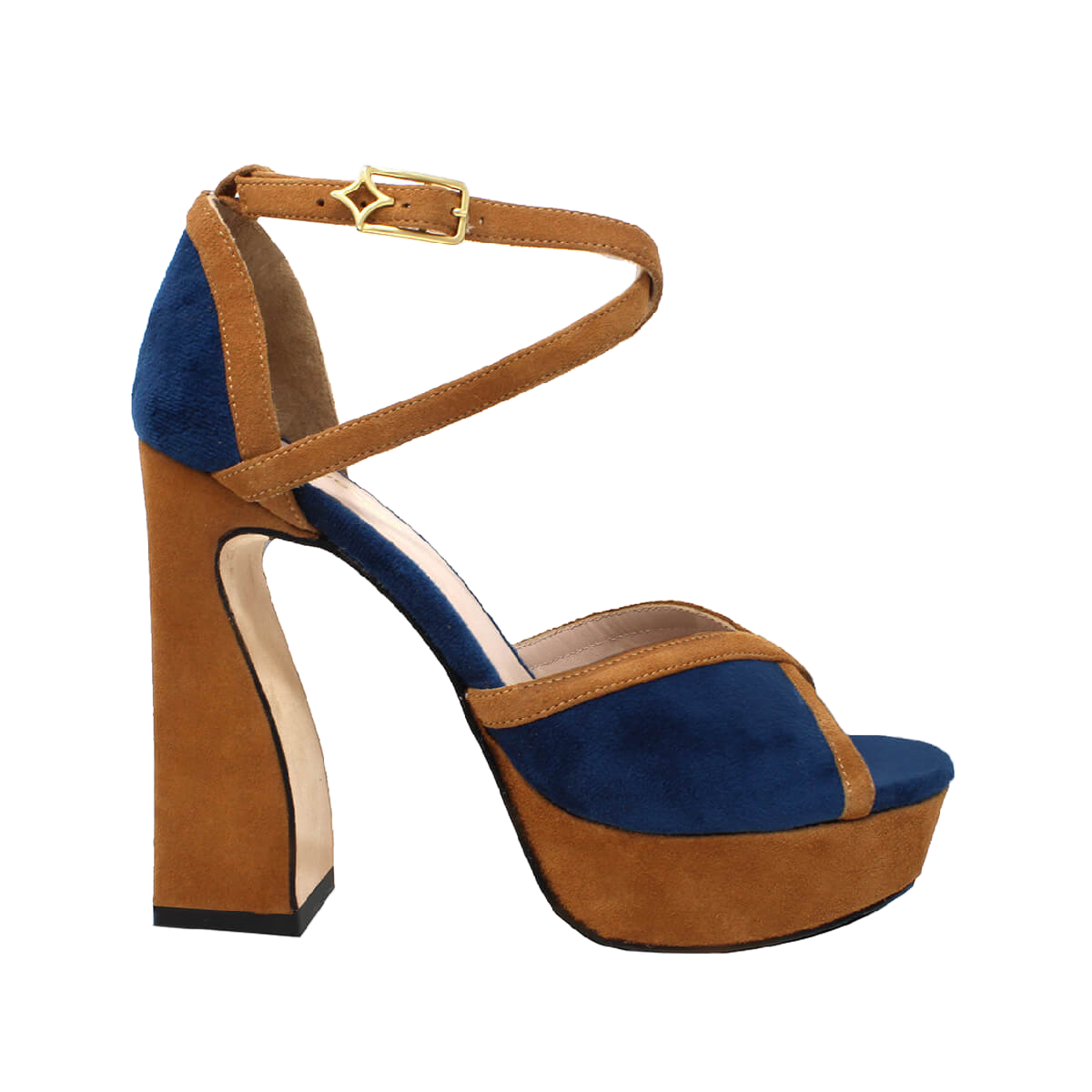
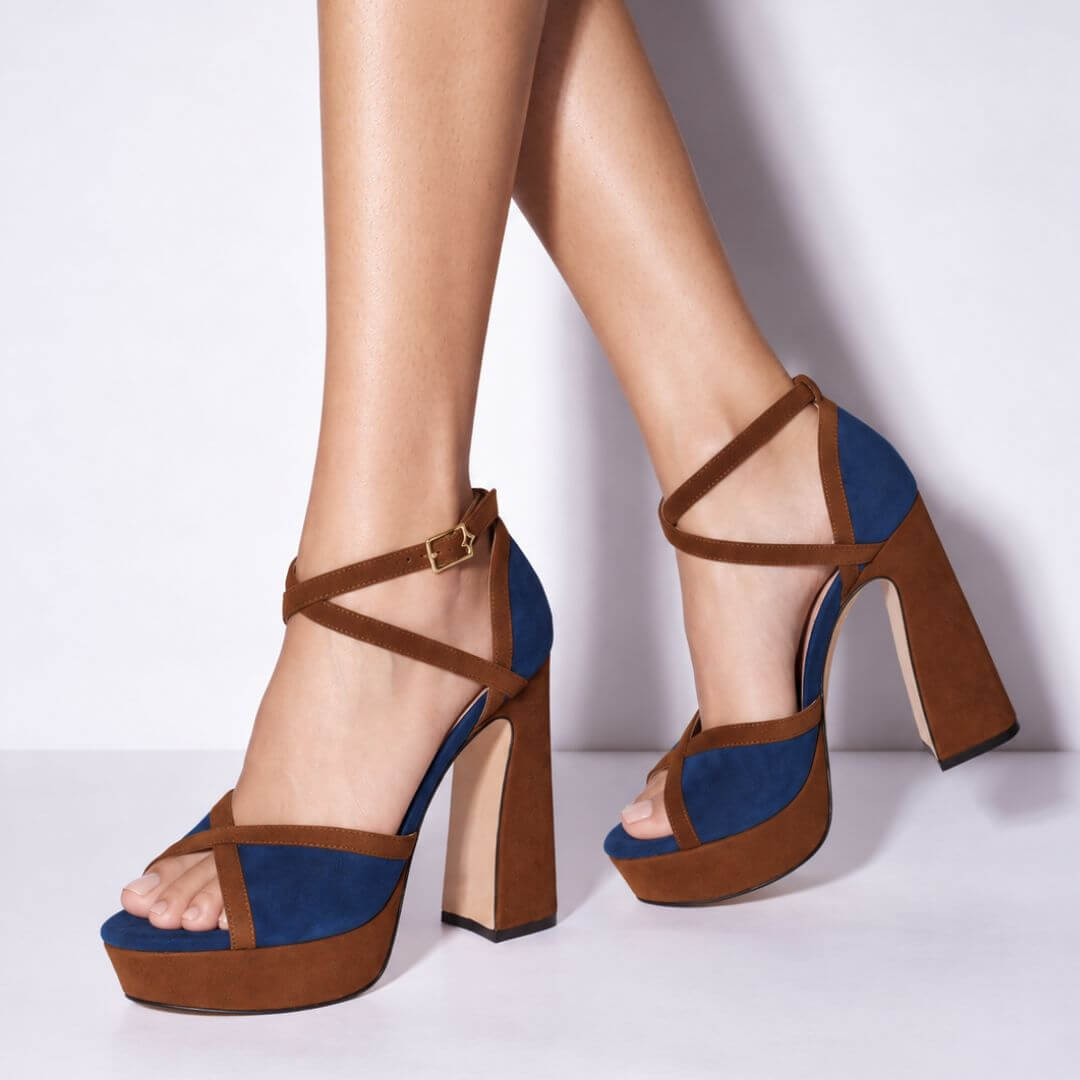
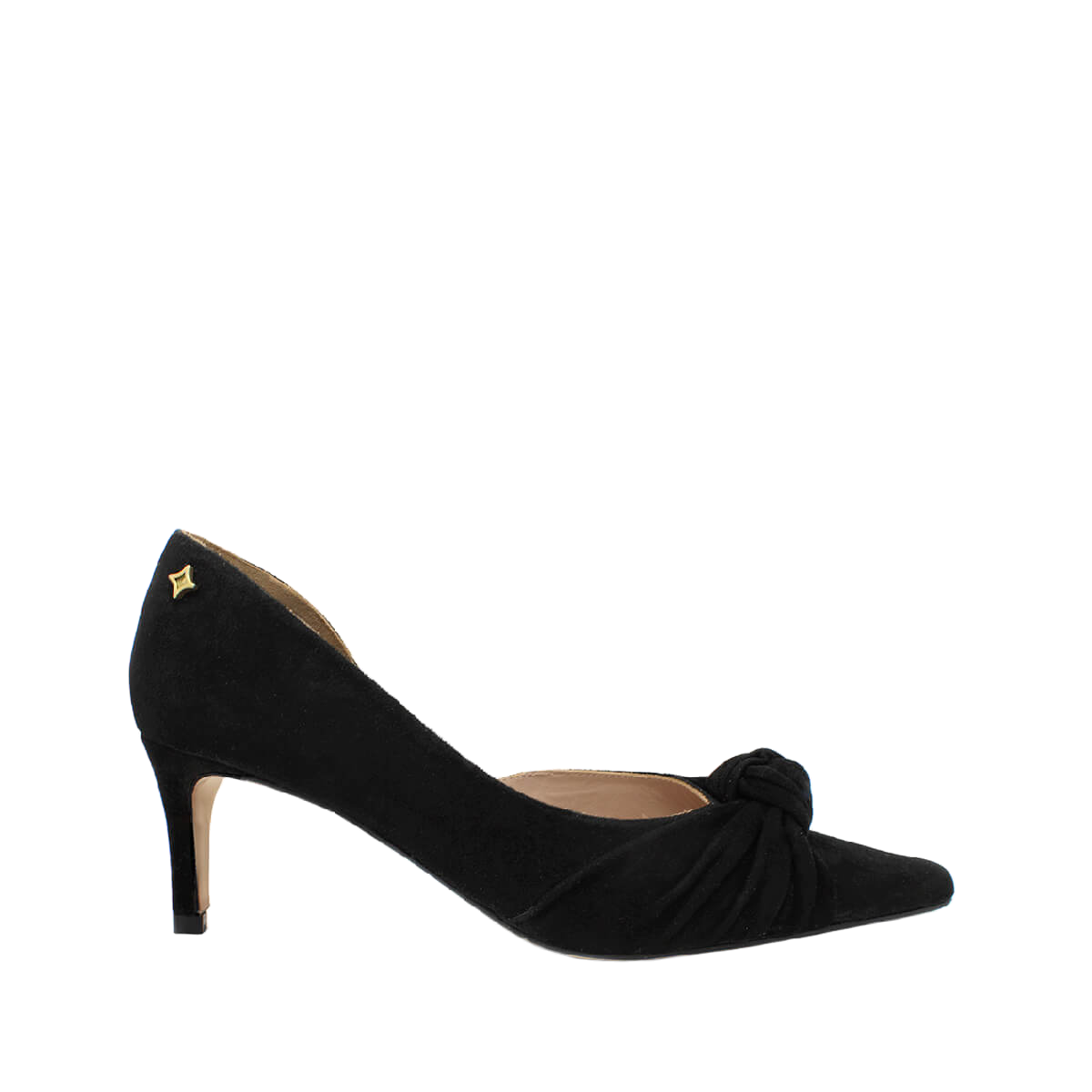
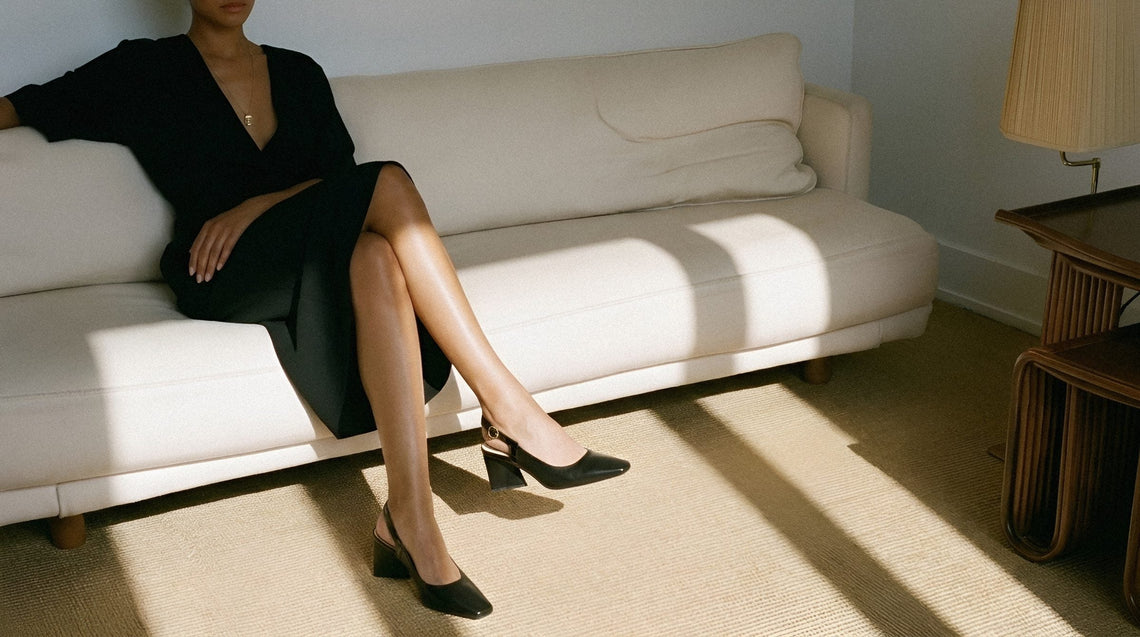
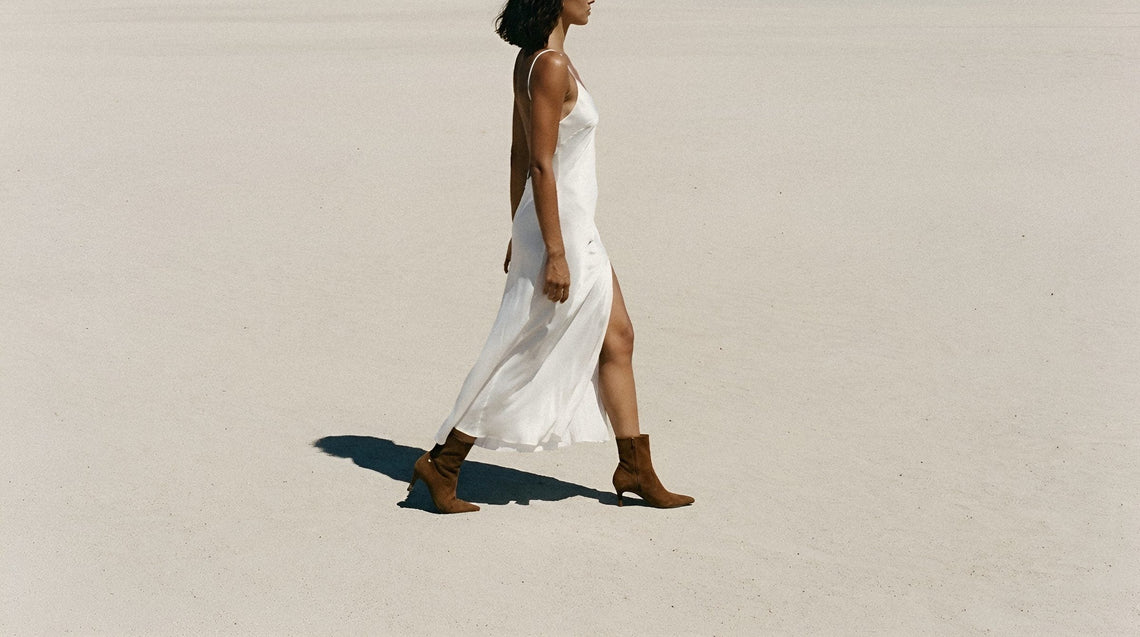
Regina Romero fully embodies this model. Our Italian-inspired designs align with fashion made to last, but they also reinterpret current trends, adapting them with timelessness. We do not give up fashion; we simply take the best of it.

And as for the construction of our styles, we know that Mexican craftsmanship is one of excellence and tradition. Our master shoemakers are experts, preserving traditional processes that have, precisely, everything fast fashion opposes: time and detail.

It is important to create conscious consumption in every sense. In ours, we have sought to balance the timelessness of our designs perfectly with the durability of our shoes. Fortunately, we have come out victorious. We have testimonials from customers who have found shoes of their mothers or their own in practically impeccable condition. And best of all, they are still in style. We create shoes full of elegance but, above all, made to last.

References
https://www.greenpeace.org/mexico/blog/9514/fast-fashion/