
THE STORY
Iconic, enveloping and controversial: animal print has always stirred strong feelings and, although it is renewed every season, it has been with us for at least a century. Always more sophisticated and elegant, with countless variations, such as zebra, croc, leopard and snake, among others. We are talking about an immortal texture.

This print has a strong connection with nature, since its true origin lies in prehistory, when humans used hides to cover themselves, and there are even references to this print in the seventeenth century, but it was not until the 1920s that it was fully integrated into fashion and came to stay. We tell you everything!
 With the spirit of freedom and festivity of the 1920s, fashion was transformed: looser, more versatile silhouettes. Prints also began to gain strength, and one of the protagonists was animal print, creating striking figures that, for their time, were somewhat daring yet highly desired. At that moment, this visual texture represented a total break and opened a path of expression through flapper culture.
 Such was the impact of this print and its strong message of women's liberation that, in the 1930s, film stars considered divas wore animal print garments as attire full of glamour and power. Marlene Dietrich, Bette Davis and other great icons wore leopard as a mark of presence.
 But by the next decade, the world turned gray under the effect of the wars. Eccentricity and glamour had no place in a devastated world in which women were gradually joining economic life and whose lives had taken extremely sharp turns. Around 1947, Christian Dior took advantage of this opportunity to bring these textures back with his famous New Look. The protagonist par excellence was still leopard print.
 That moment was crucial, since it associated this texture with a new femininity. By 1960, animal print was moving among film divas, political figures and royalty. Diana, Princess of Wales, Jackie Kennedy and Grace Kelly found in this print a meeting point with Brigitte Bardot, Marilyn Monroe and Ava Gardner.

 Designers found in animal print a unique perspective: Elsa Schiaparelli, Christian Dior and Yves Saint Laurent took the safari look to the fullest, continuing with leopard print but beginning to add new twists. But this trend would soon face the animal rights movements of the seventies. The use of furs became a major problem for animal rights. Fortunately, today we have authentic leathers that can be dyed and printed so as not to harm wildlife.

But animal print did not disappear in the seventies. The rejection it generated from these movements opened the way to urban cultures, such as the punk movement and glam rock. Now the wild force inhabited the stages, mixed with feathers, platforms and glitter. It is at this moment that, in some circles, it was associated with bad taste, but nothing could be further from the truth: it was a form of expression and empowerment.
 Prince and Rod Stewart
Finally, in 1990, it became clear that animal print would always find a way to come back. Versace and Alaïa made collections inspired by these textures, and it began to be seen on streets, runways, at concerts, and so on.
 Alaïa's proposal, in the center, was inspired by the classic; while Versace took the risk of proposing colors and textures other than leopard
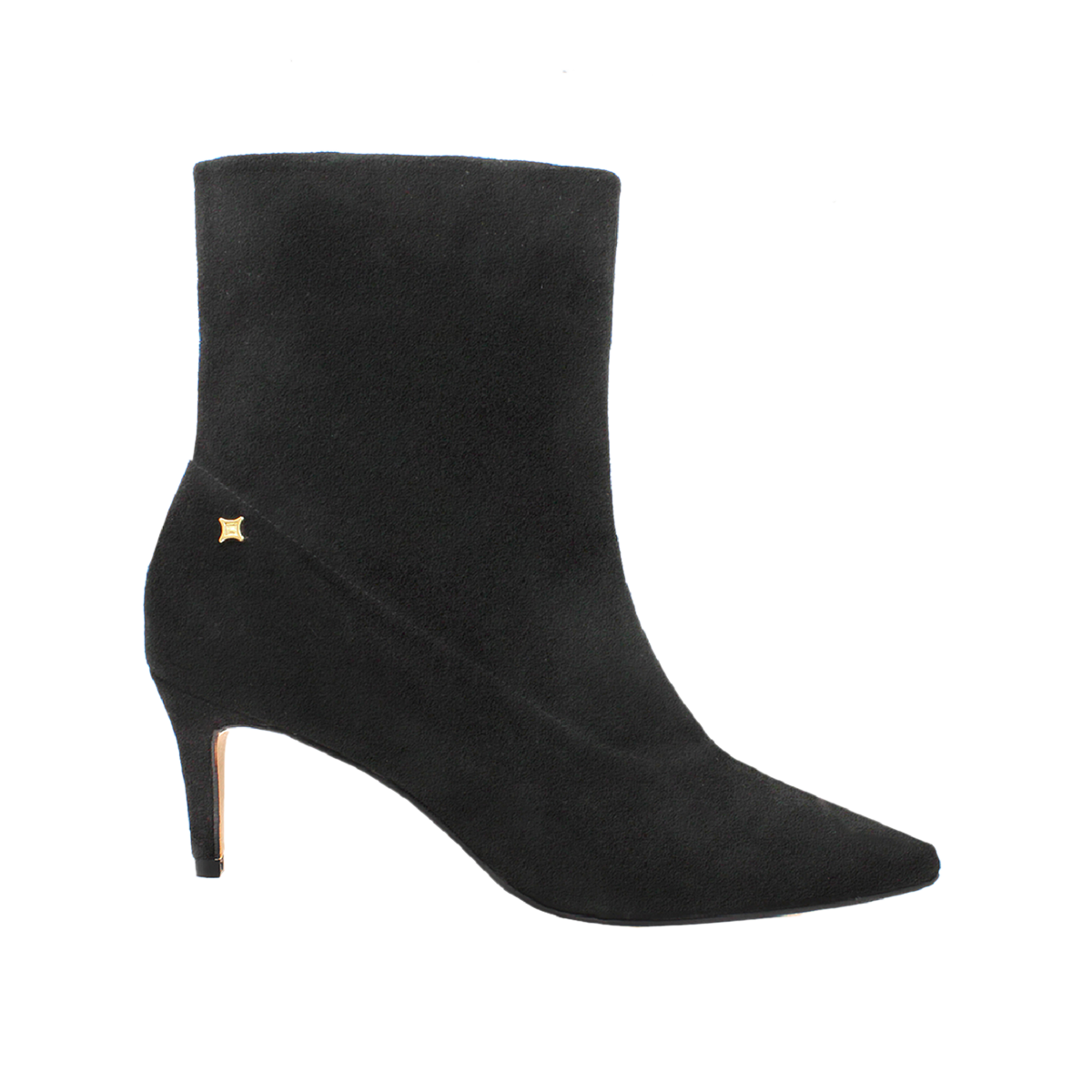
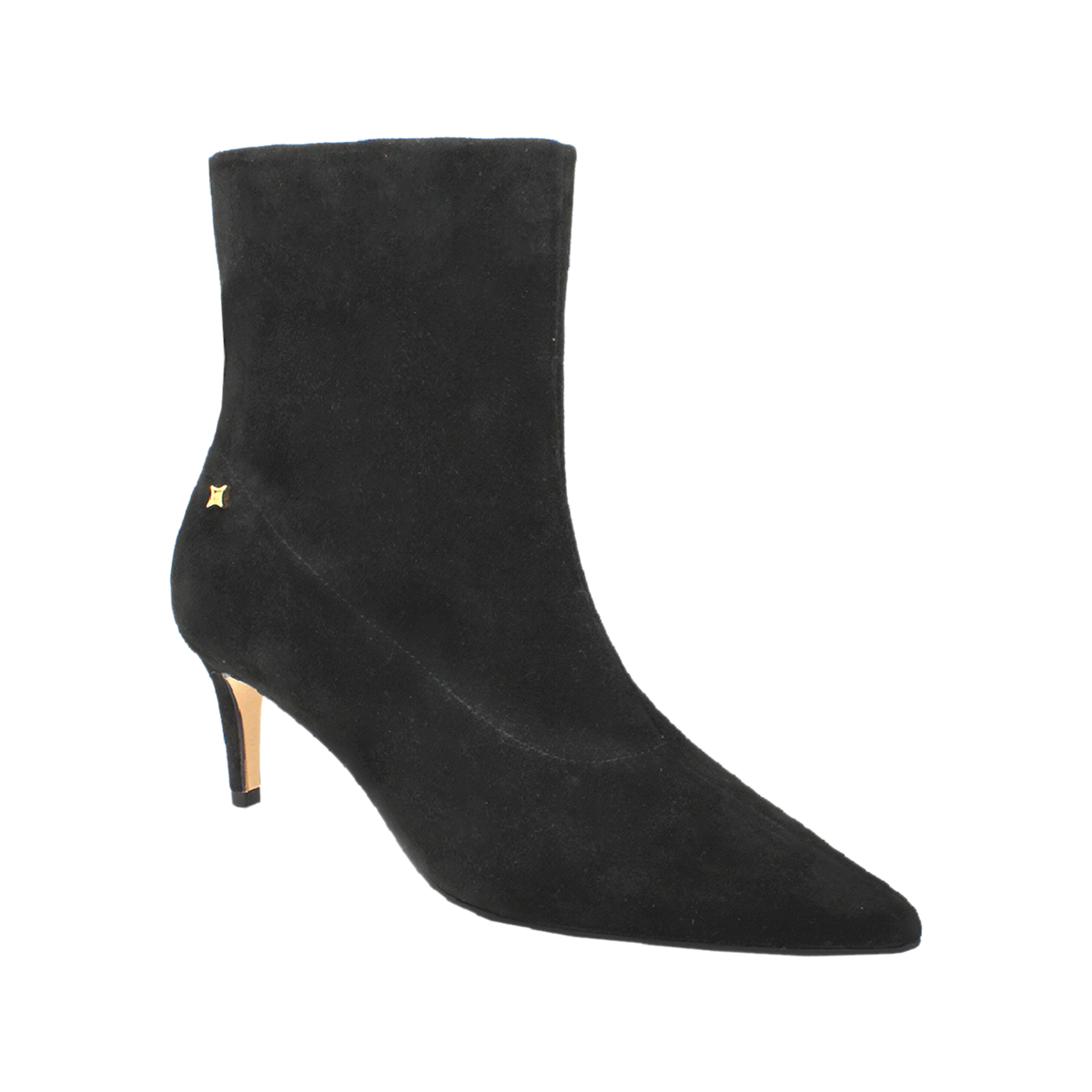
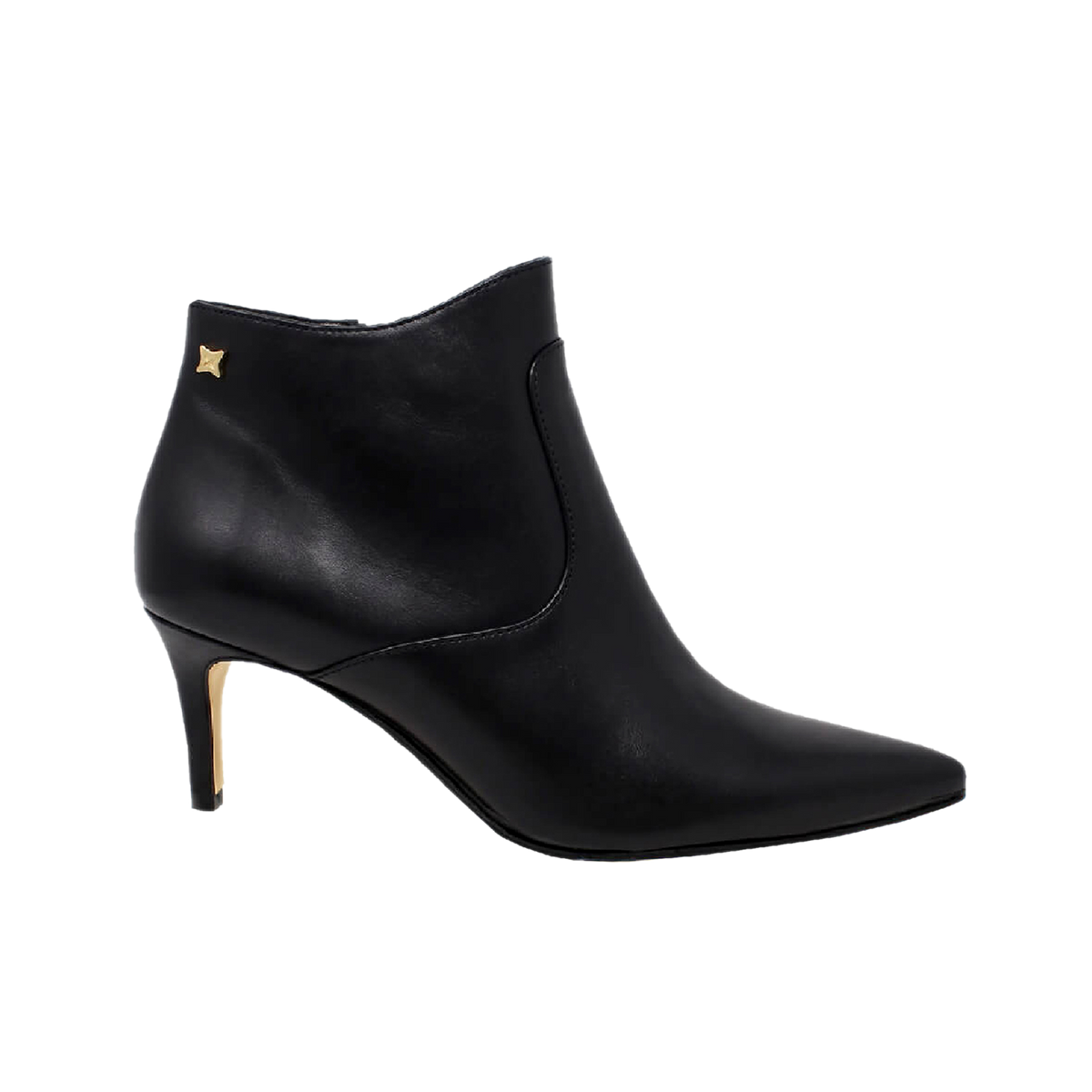
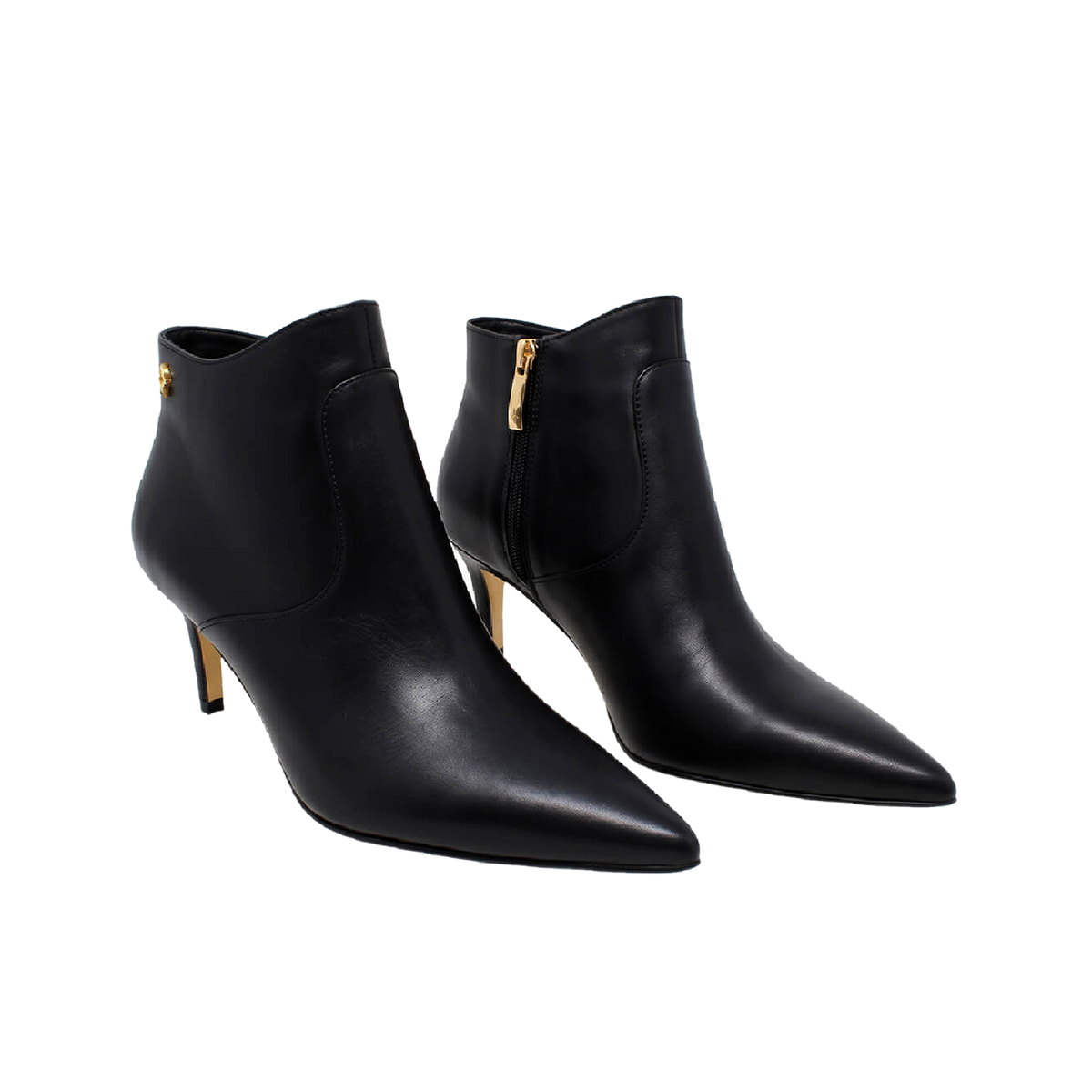
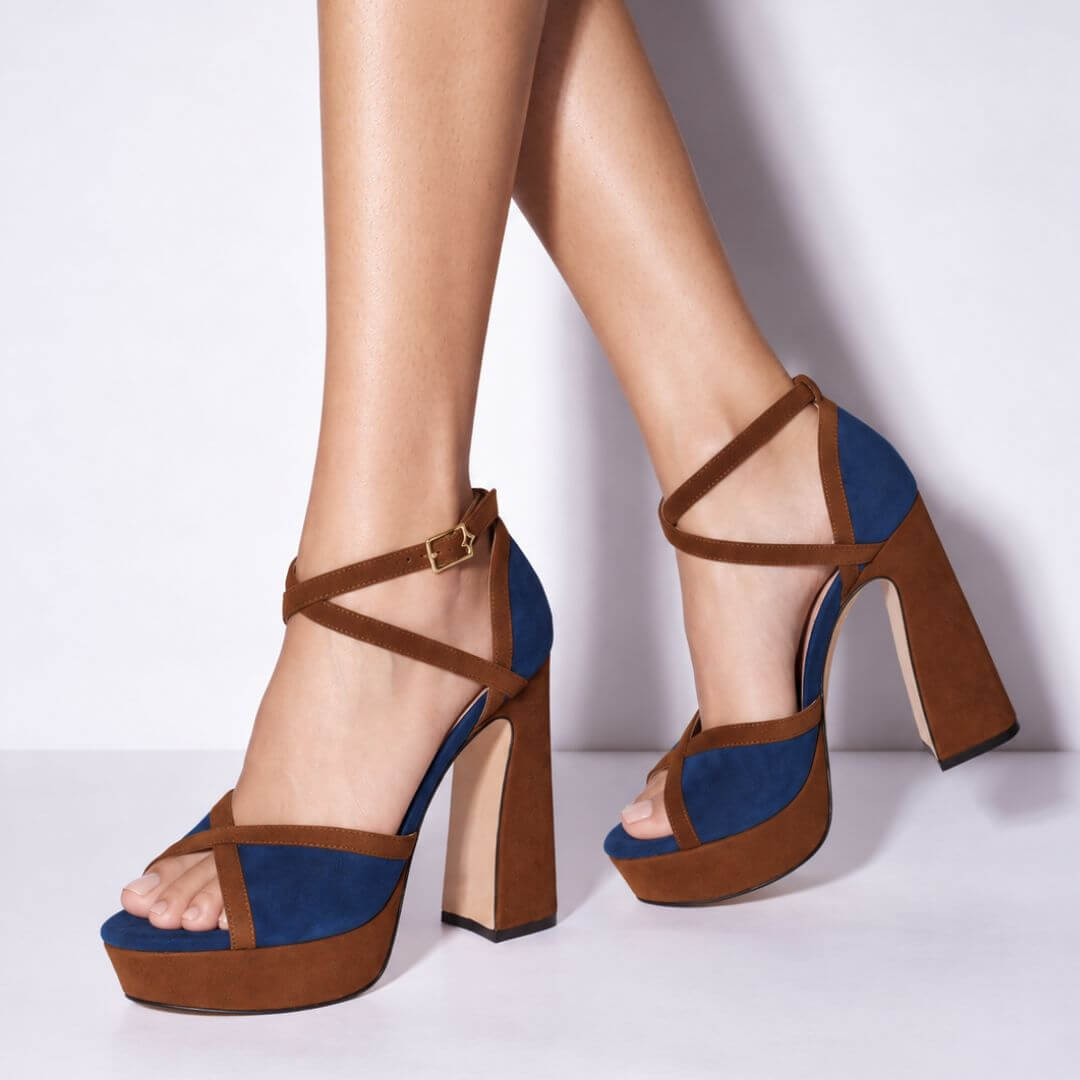
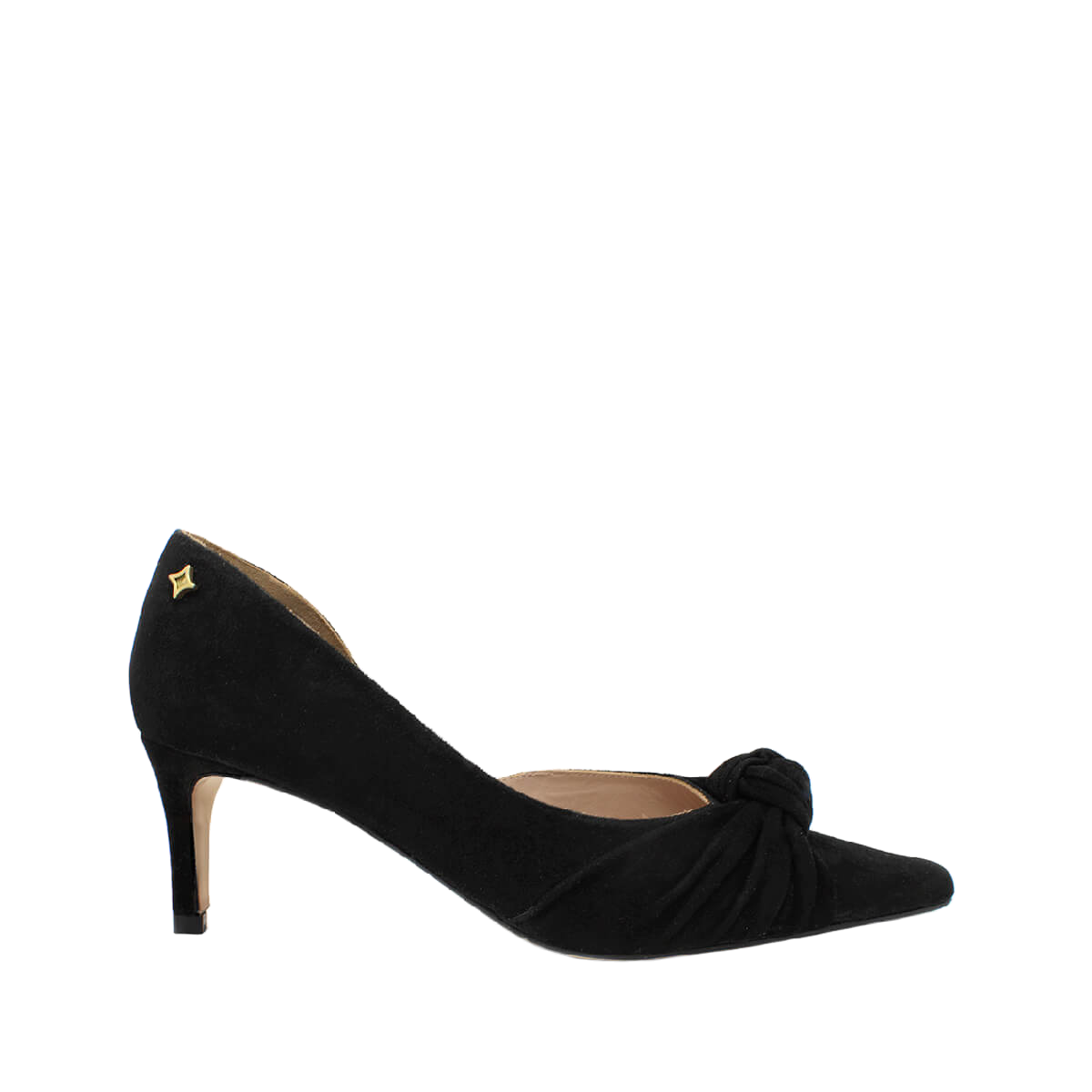
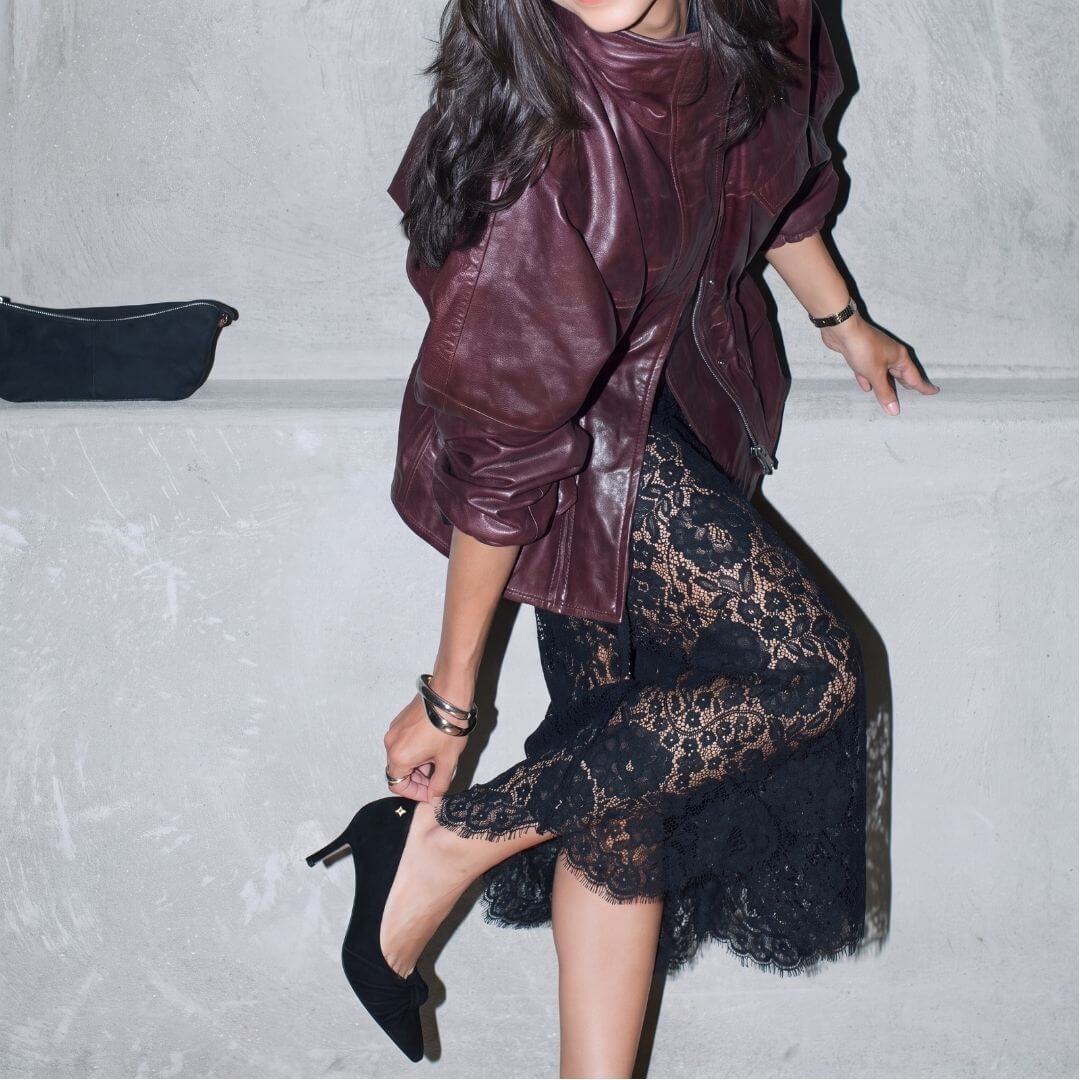
Today, animal print has reached our feet, serving as an accent that reflects luxury and good taste. It is also a way of experimenting little by little with these textures in order to incorporate them.
 model Fany
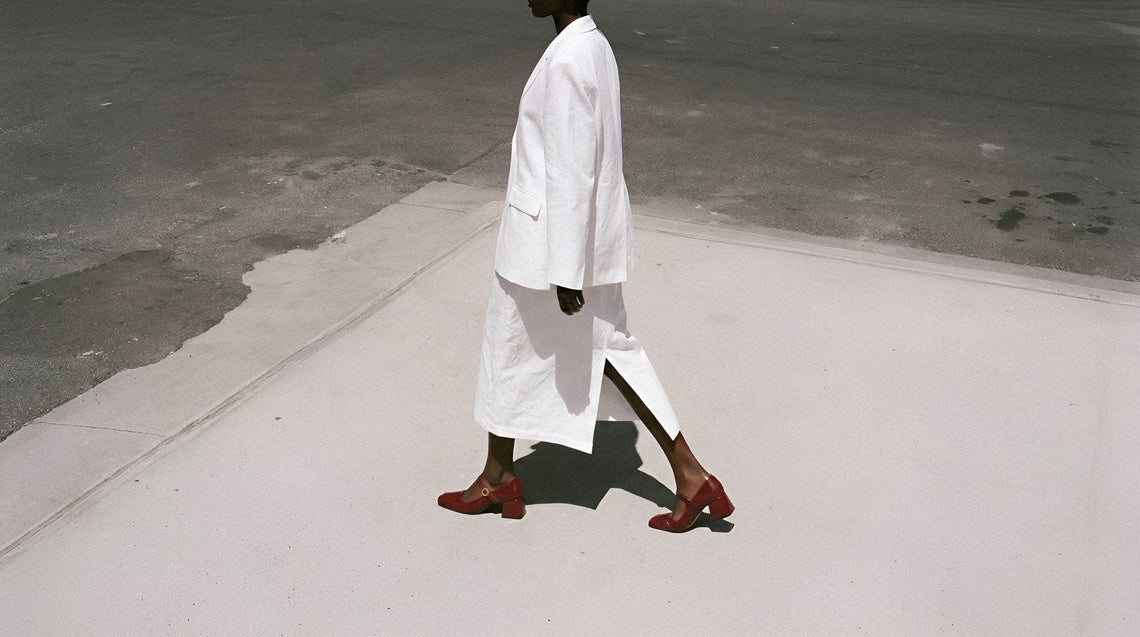
Imagine an ivory suit accented with zebra-textured shoes, or a pair of croc ankle boots to give a twist to a classic-cut skirt. This is a highly relevant trend that adapts to every style, so it lives in the fashion ecosystem at various moments. No matter how we wear it, it is advisable to consider it a staple, since it is a classic that will always return. Of course, it is made to stand out.

Discover our animal print collection and give your style a bold twist.

References:
https://noirmagazine.mx/moda/animal-print-su-origen-y-la-tendencia/