
THE STORY
The 80s are back!
It is said that fashion is cyclical: many trends always come back. They are reinterpreted, of course, but they return. Human life itself is an eternal return. And, naturally, we are glad to see many vestiges of golden years; of times full of fun and discovery, which now fill us with nostalgia for those days, but also with joy: we love seeing what we once enjoyed.

model Rous
As you may have noticed, we have devoted several of our latest blogs to talking about the influence and fashion of the 80s. After 40 years, it is a decade that keeps surprising us and one of the most recurrent in fashion collections.
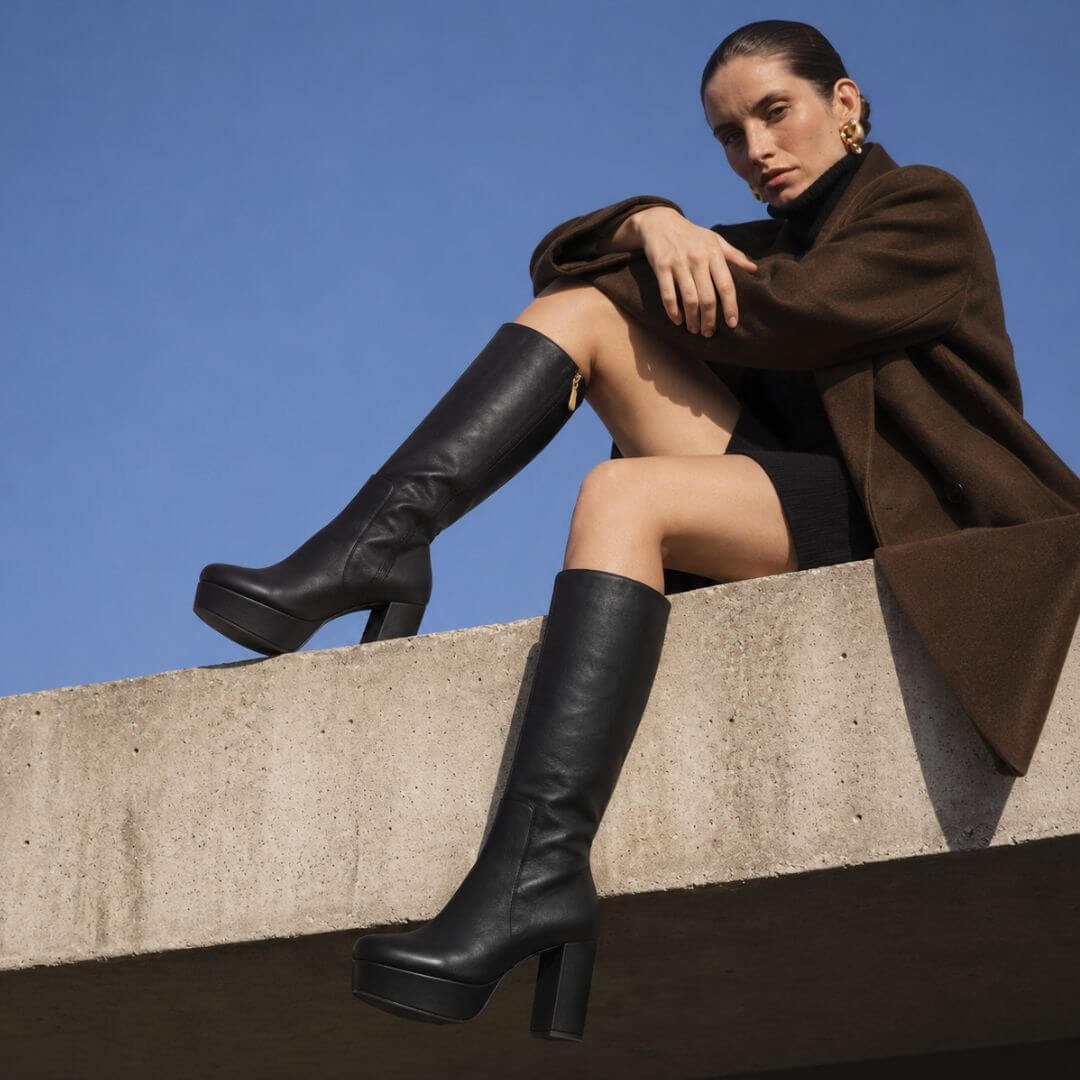
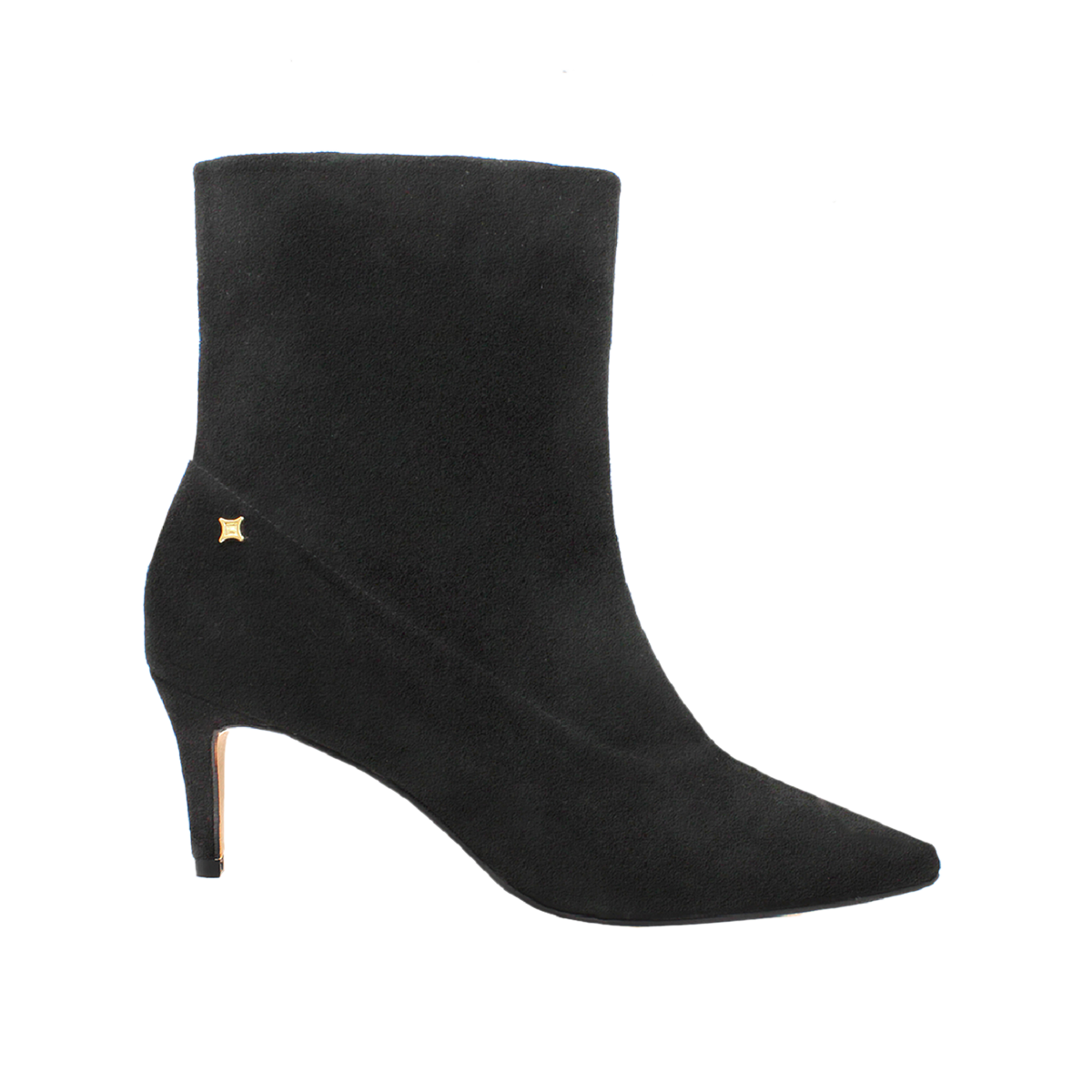
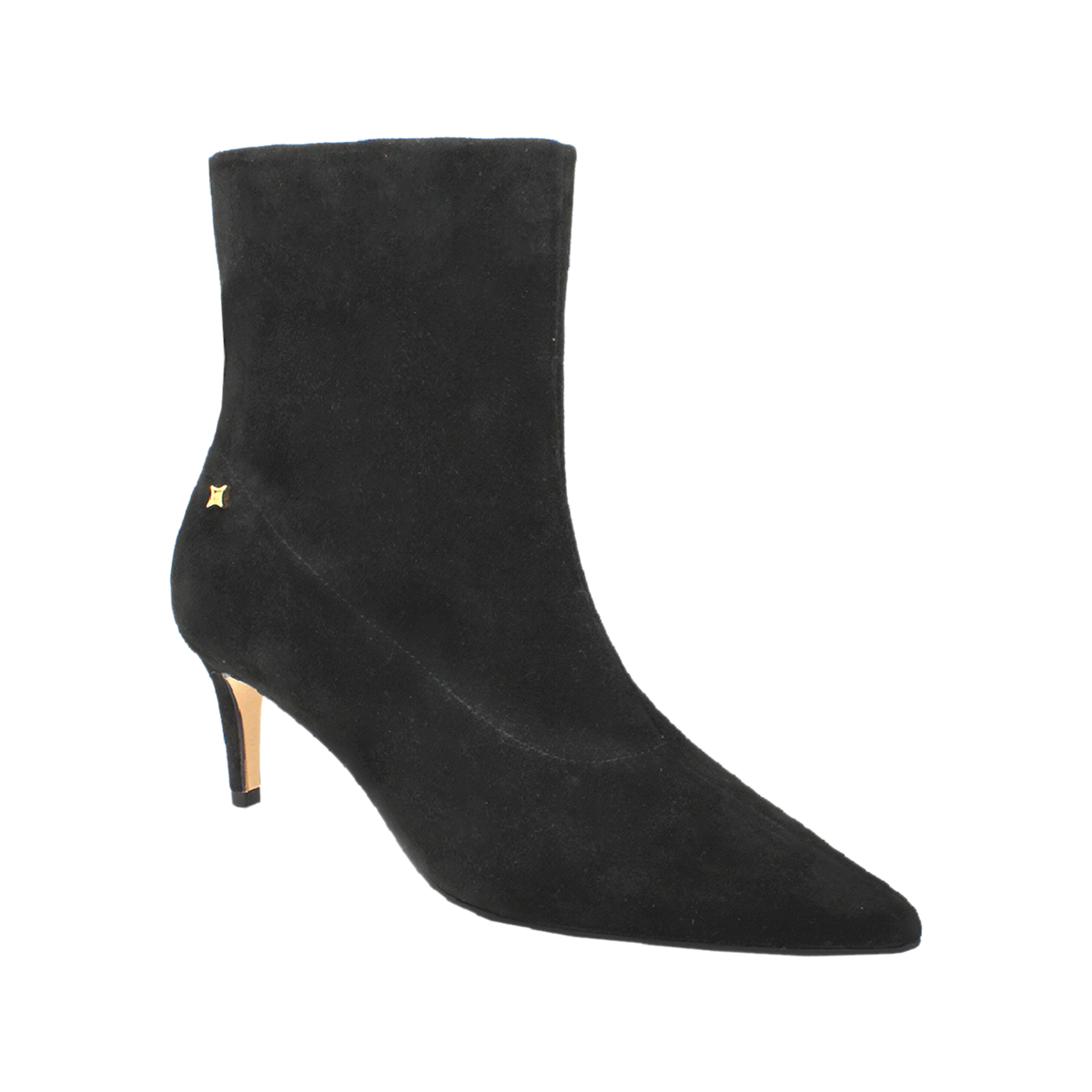
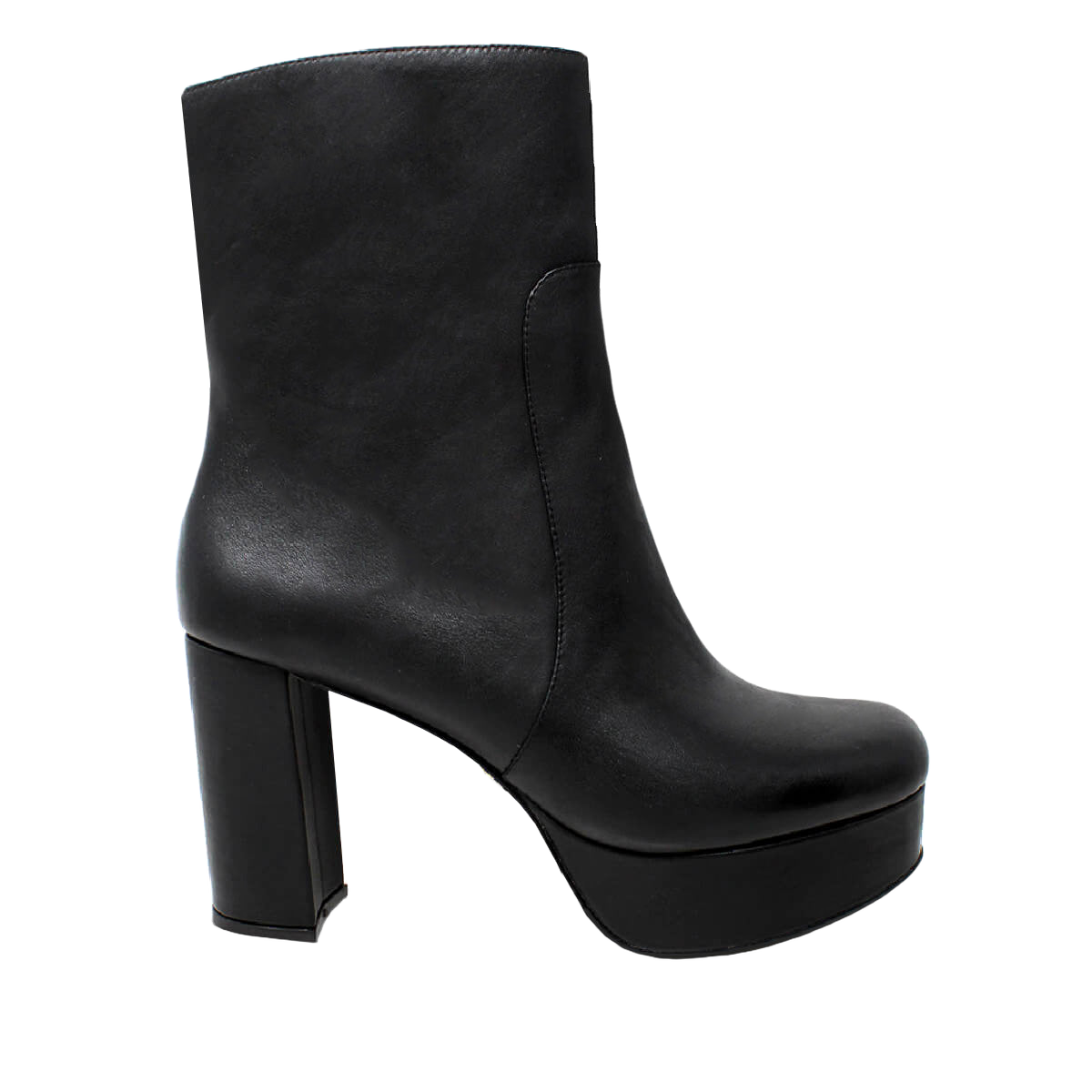
On the left, Lady Di in one of her most memorable outfits. In the center, our boots Stasha. On the right, Grace Jones in kitten-heel pumps, a trend alive this season.

80s fashion was the answer to an era characterized by boldness, experimentation and a fearless attitude toward breaking the rules. Shoes were no exception, and at Regina Romero, we have reimagined some of the most iconic elements of that decade in our current models. We present three features that not only defined 80s style, but have also become the essence of some of our new models in the Fall Winter 2024 Collection: patches and curves, tall boots, and hardware inspired by the punk rock movement.

Patches and curves: a statement of identity
In World War I, long before the era we are speaking of now, patches were placed on soldiers' uniforms to identify them quickly. The straight lines of these garments served a function in homogenizing armies, while the patches placed on them made them stand out and identified them within their groups.

This practice was repeated in World War II and persists to this day. When soldiers returned to the cities, they felt a bond with those who had lived similar experiences and quickly began to gather and identify with one another.

Curiously, an element that implied belonging through rigidity became a symbol of liberation, rebellion and a cry for identity. Putting on a patch in those years revealed a lot about oneself and which group one belonged to. This culture passed through various urban tribes until it became a high-impact trend in the 80s. Through it, a person who was part of a group could be perfectly located: their musical tastes, their way of life and their ideology.

So, in the 80s, patches and curves in footwear design were the evidence of a rebellion against the rigid shapes and traditional styles that had dominated earlier decades.
On the left, a Regina Romero model from the 80s. On the right, our boots King

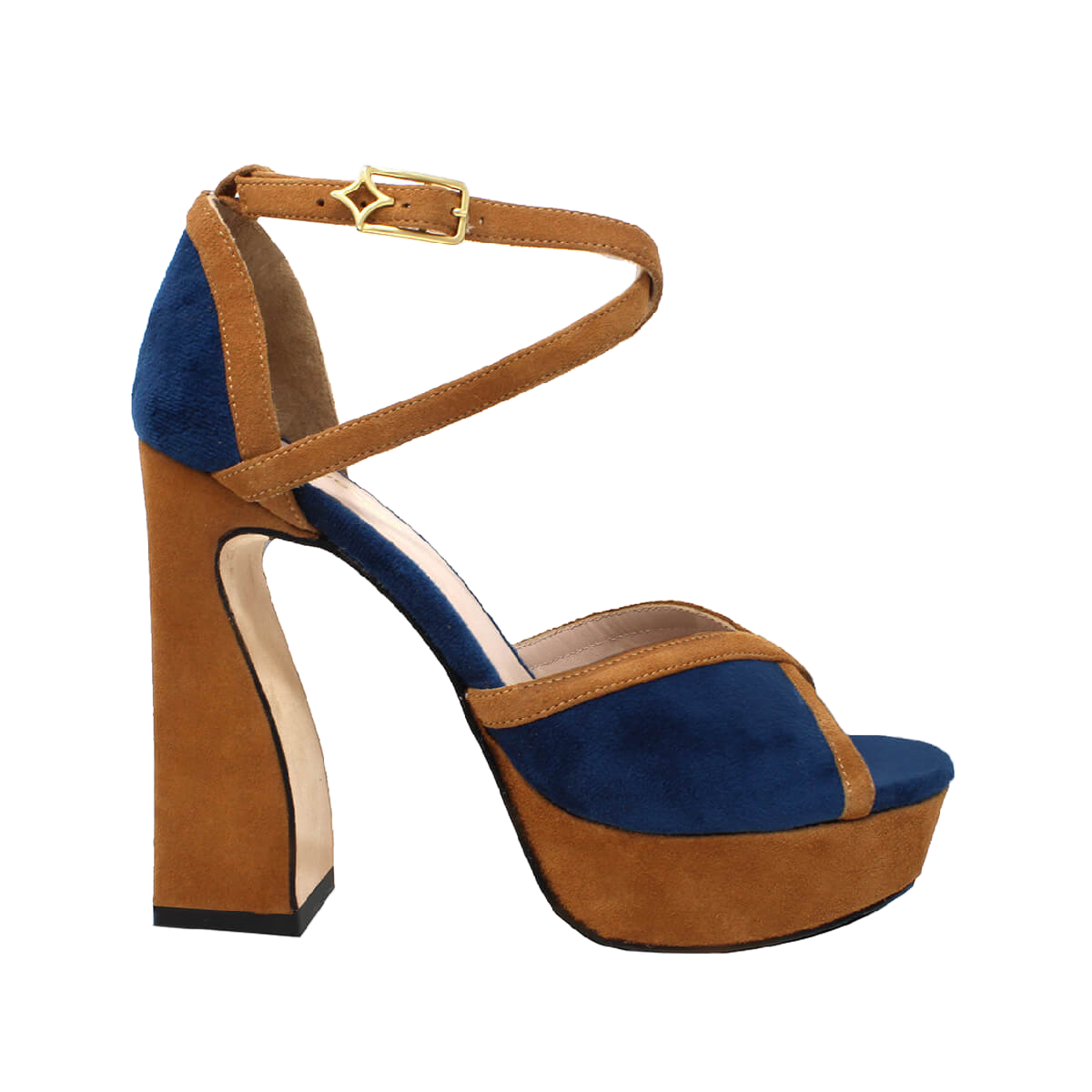
Shoes began to take on more organic, fluid shapes, which allowed greater expression of individuality and creativity. Patches, which were often made in different colors and textures, were not only decorative, they also told stories, in both clothing and footwear.

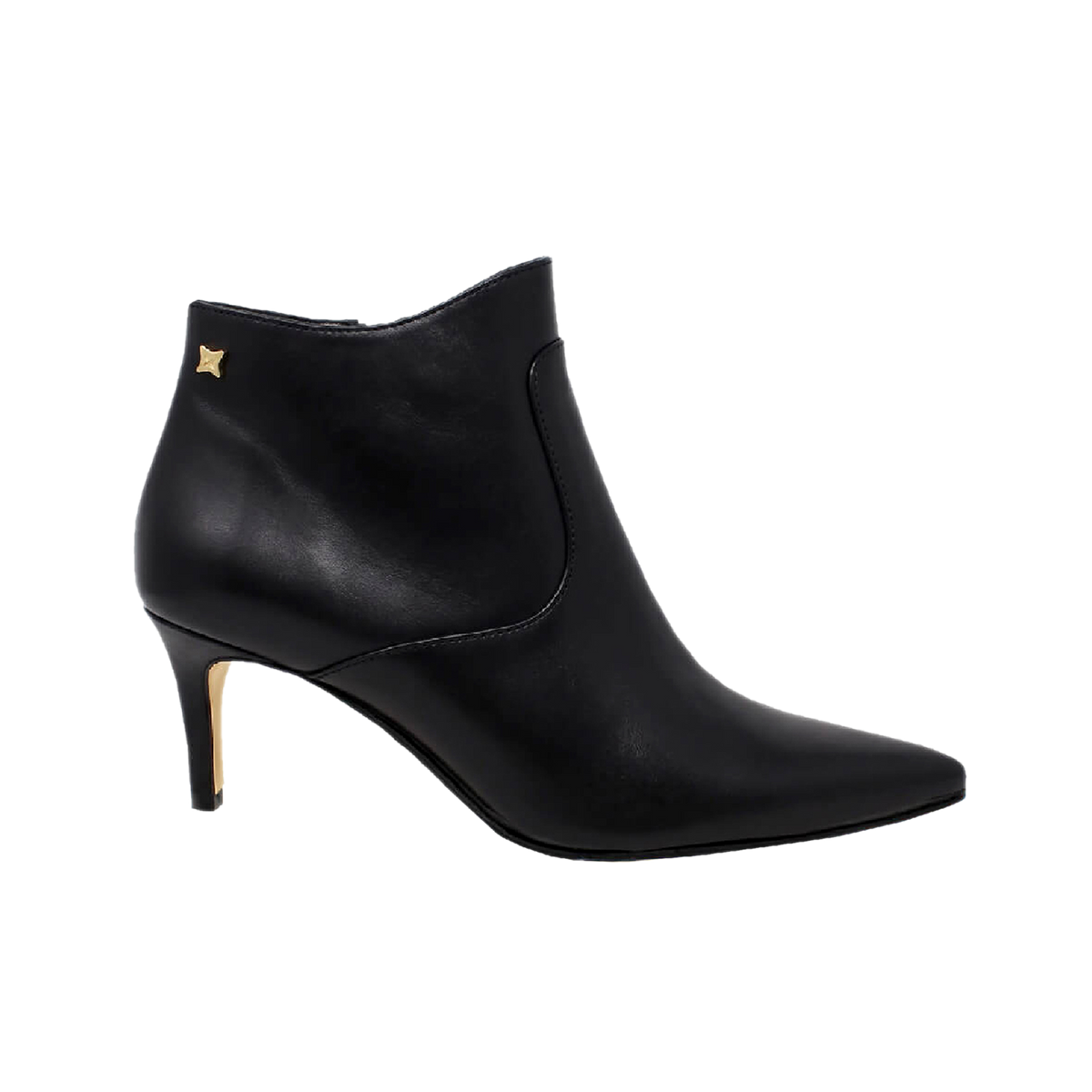
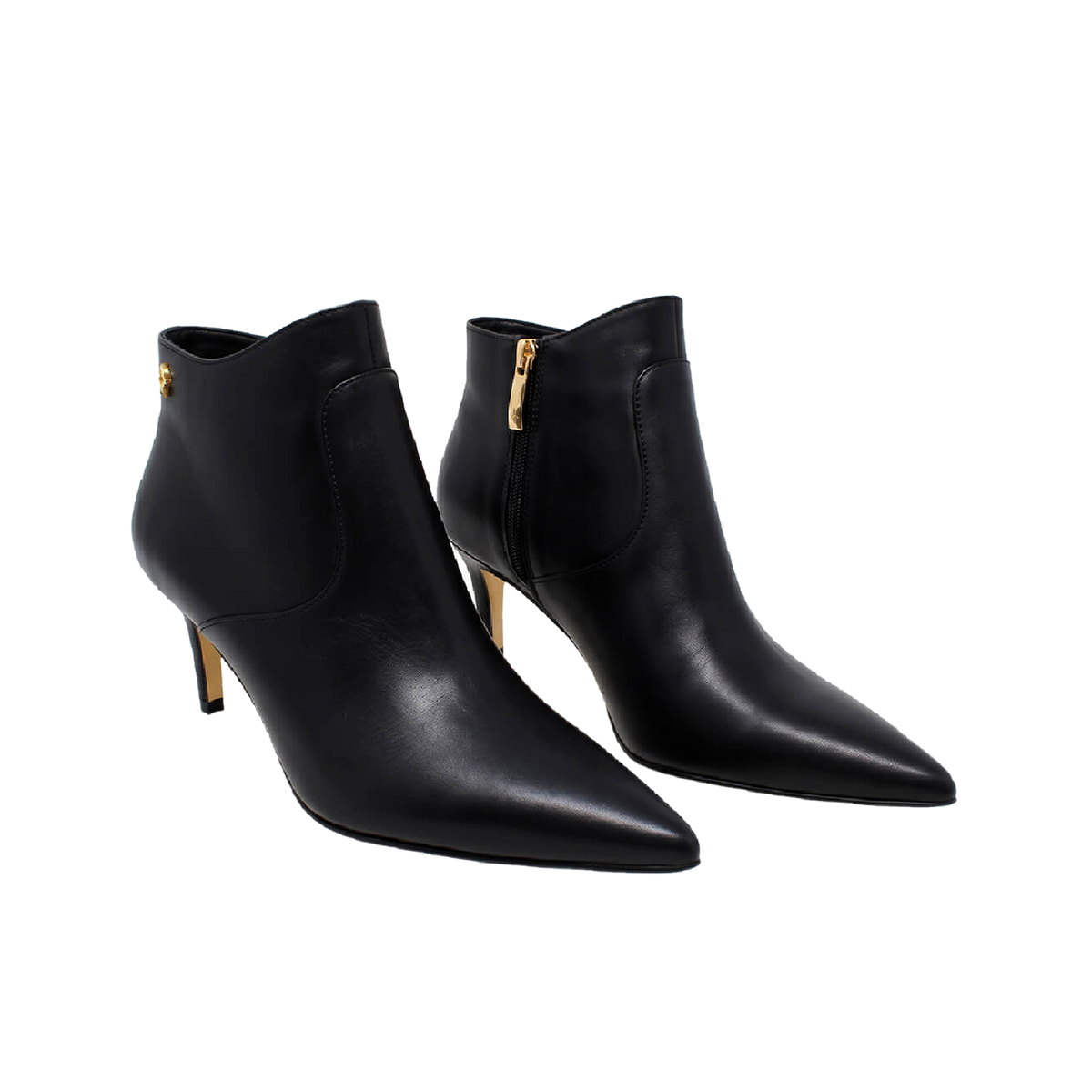
model Rous
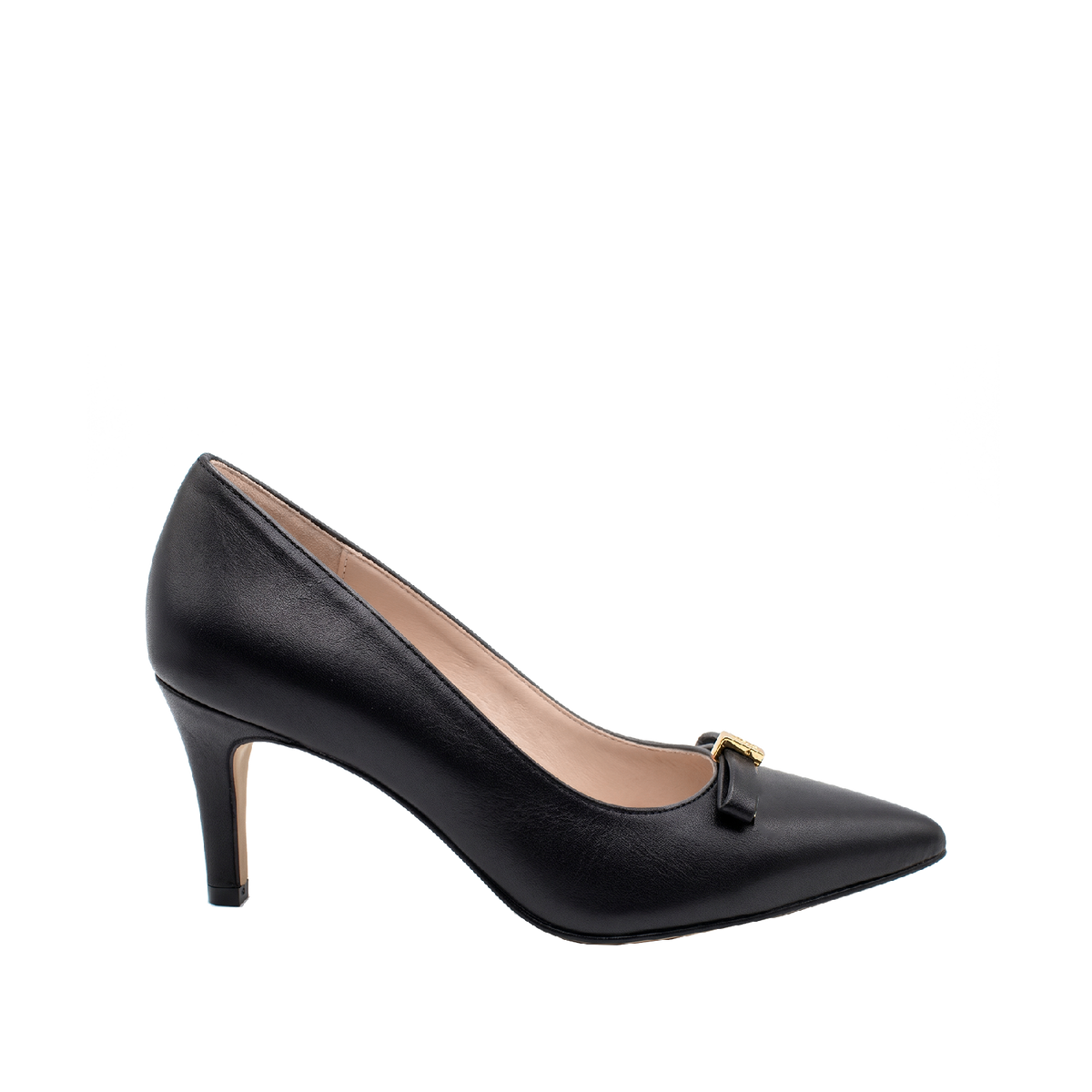
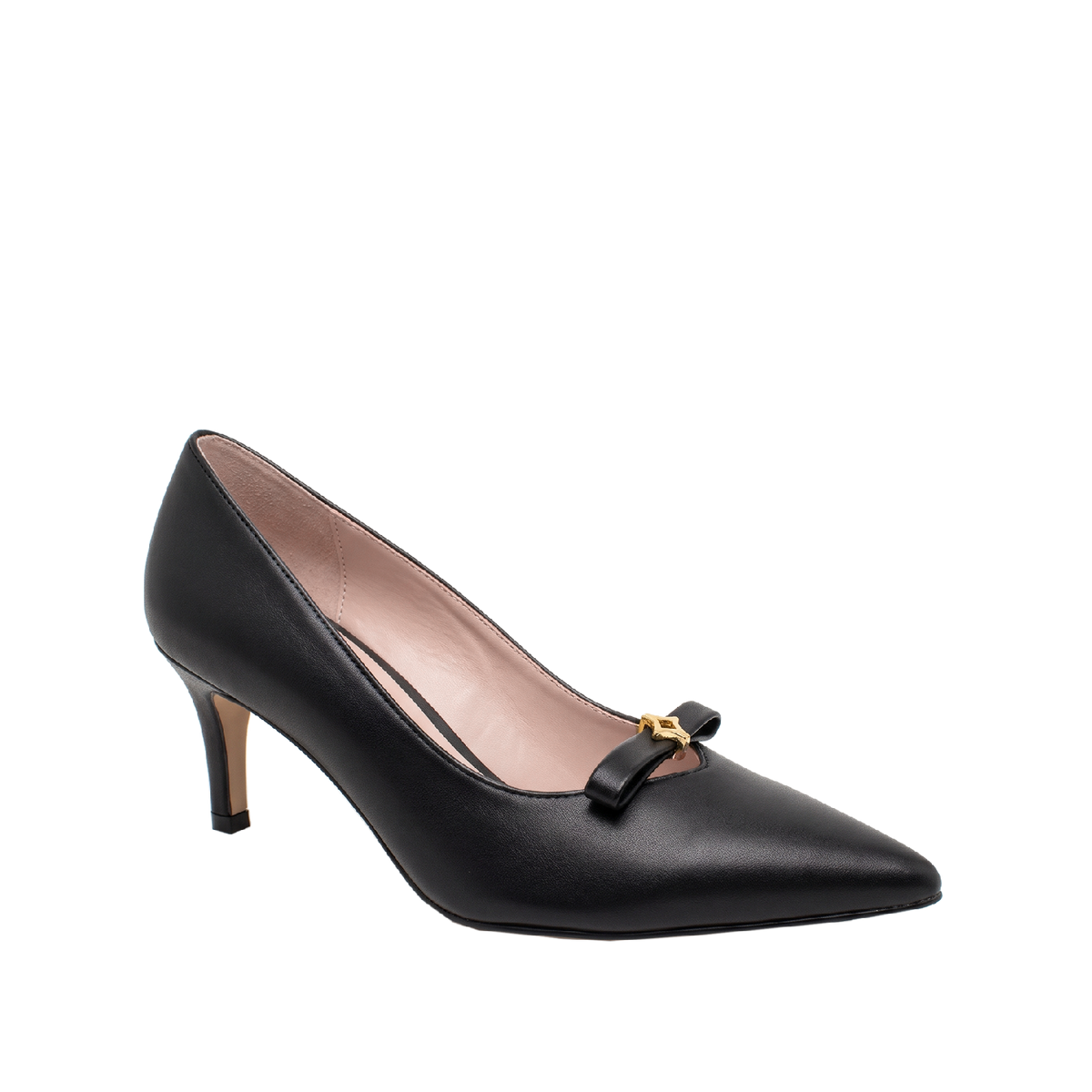
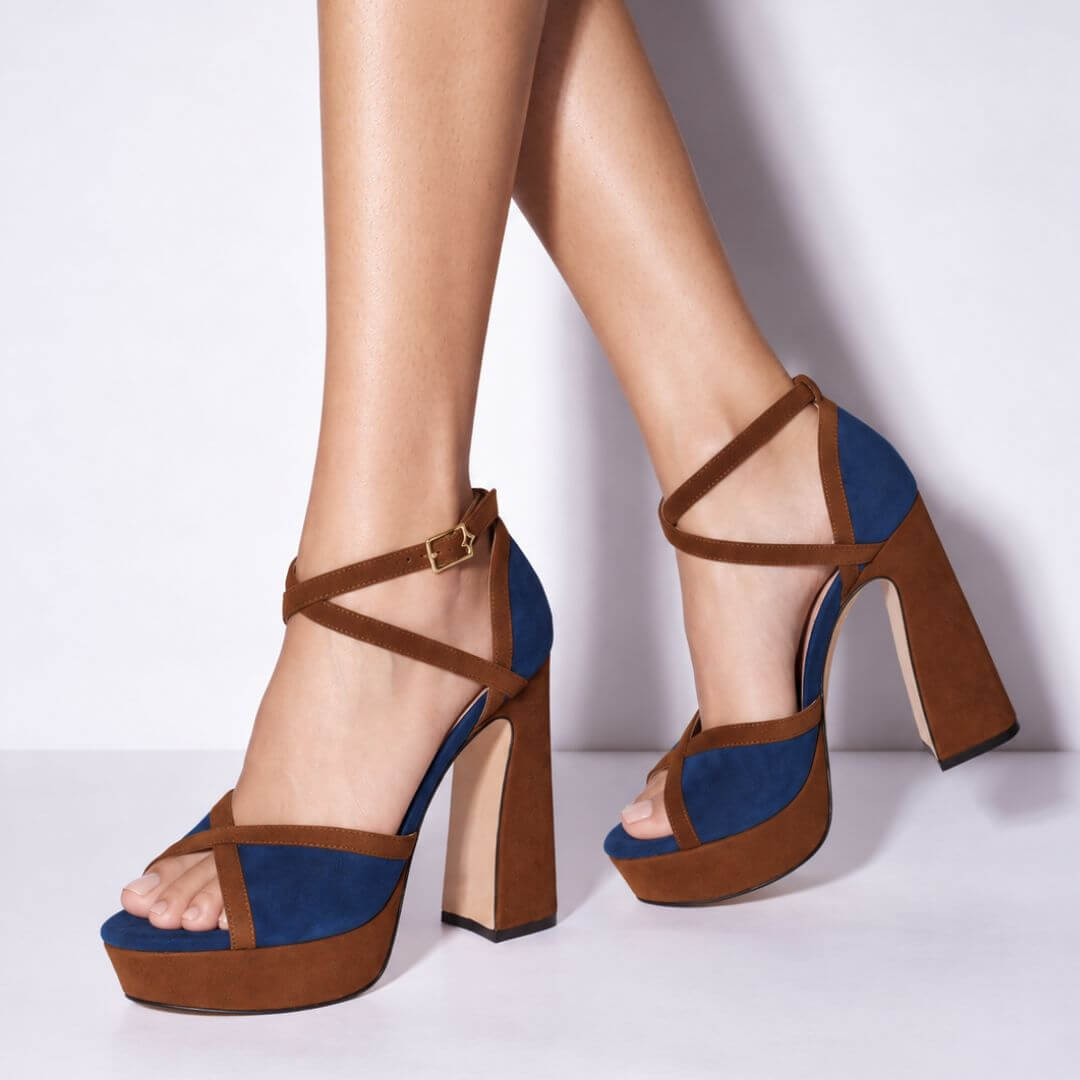
Our current models, such as King, Rous and Charlotte, capture this essence with a modern touch. The fusion of leather patches and elegant curves in these designs is not only a nod to 80s fashion, it also reflects our dedication to craftsmanship and innovation.

model Charlotte
In that decade, curves were not just an aesthetic matter, they were also related to ergonomics, seeking to adapt footwear to the natural shape of the foot for greater comfort, something we still keep today as a pillar of our designs.
Tall Boots: a statement of power
Among all the types of footwear already in existence, tall boots took on an iconic prominence in the 80s. After an experimental, avant-garde and powerful transformation, they became a symbol of power and women's empowerment.

The wrapping from the tips of the toes to mid-leg or higher told of an era in which women were fighting for their rights and their place in the working world.

model Tori
These boots not only added height and a sense of authority, they also offered a versatility that let them move easily from day to night, from the workplace to social settings, showing a strong presence. Made in various materials, such as patent leathers and shiny textures, they were among the favorites of the fashion icons of that time.

model Brooklyn
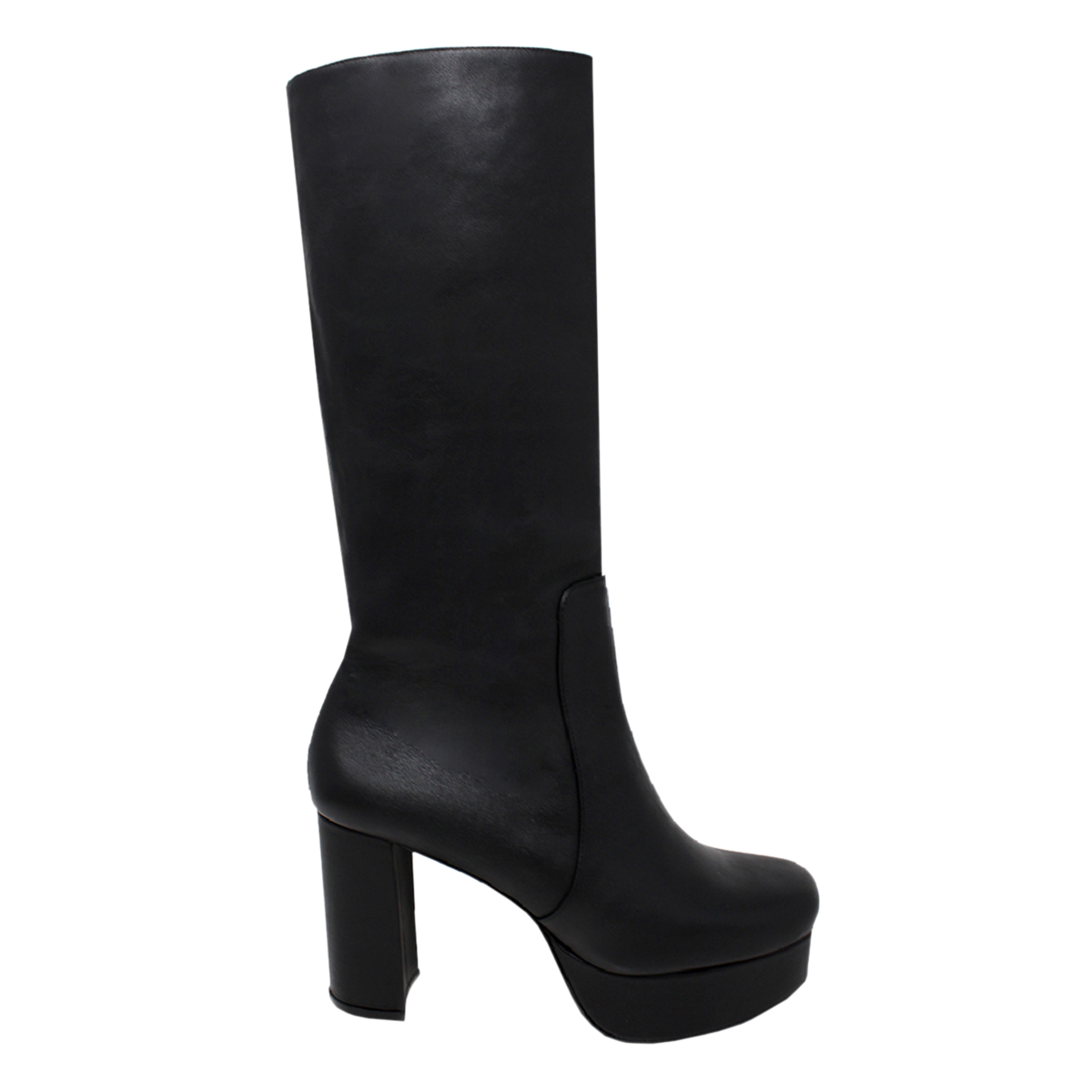
We renew this symbol of strength in our current models such as King, Tori, Laredo, Brooklyn, Stasha and Justine. These boots, which extend to the knee or beyond, have been designed with the modern woman in mind, who looks to combine style with function. In the 80s, tall boots were not only a trend but a statement: they said the woman who wore them was bold, independent and sure of herself. Today, we carry on that legacy, offering designs that are as powerful as the women who wear them.

models Laredo, Justine and King
Hardware and Punk Rock: a statement of resistance
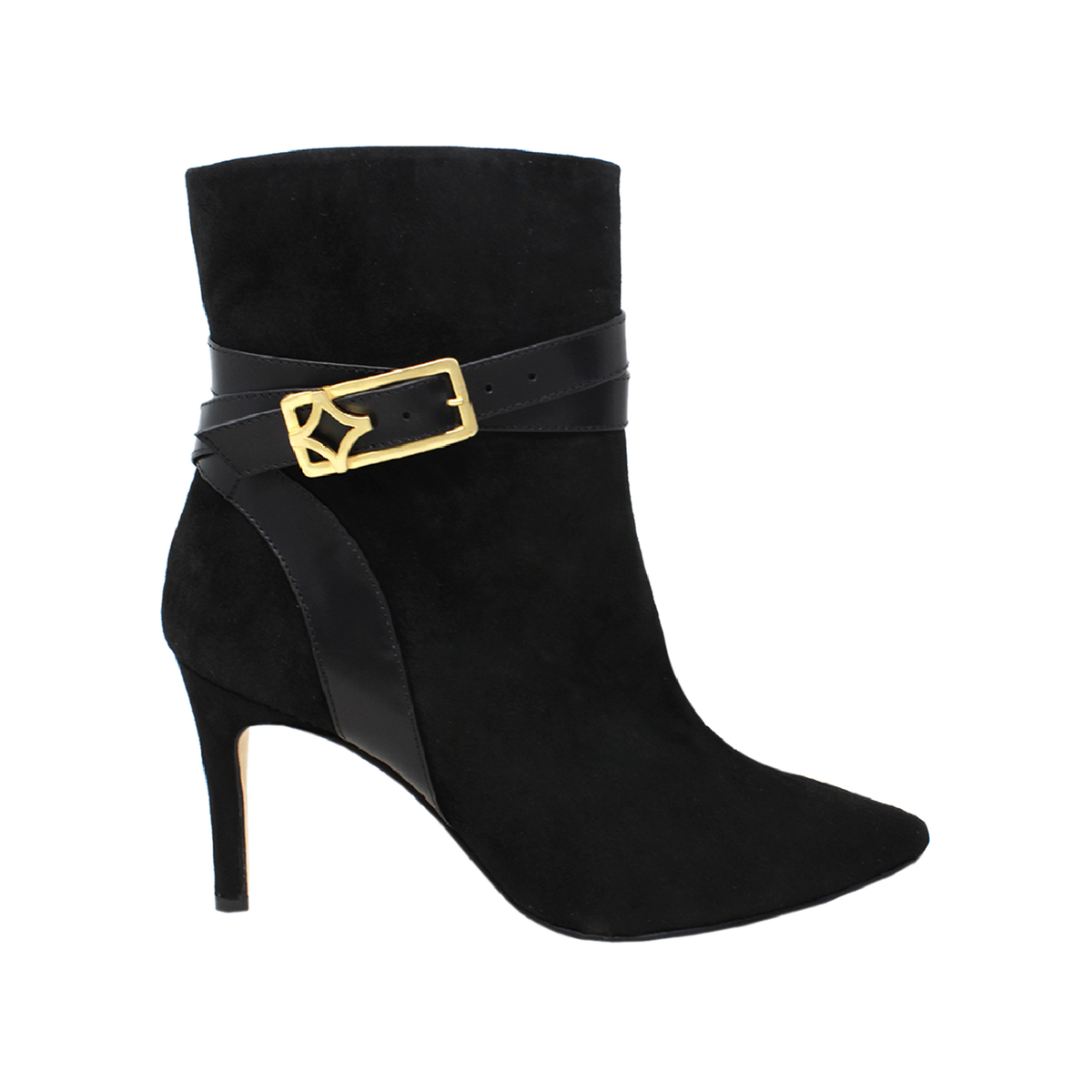
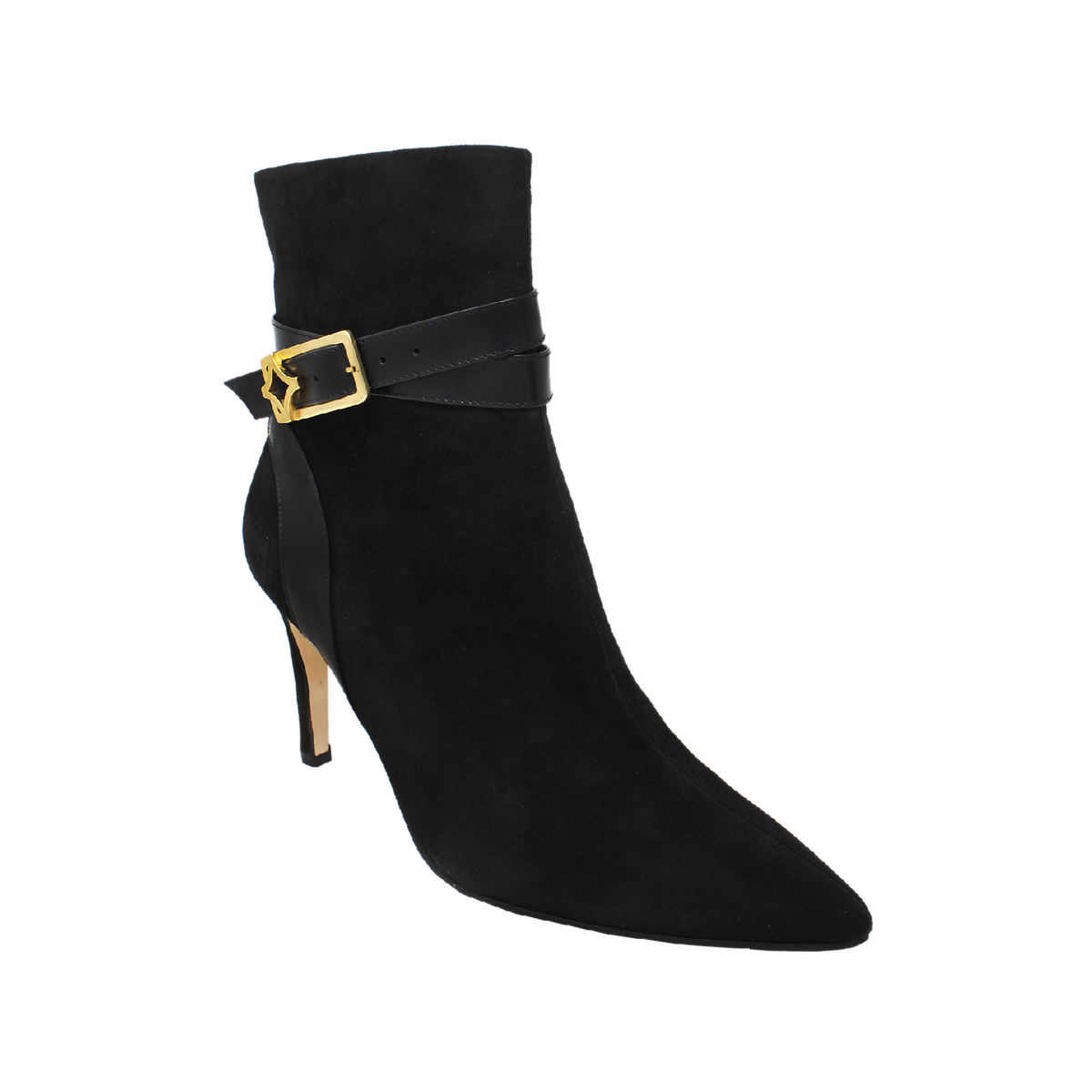
The punk rock movement was one of the most influential cultural currents of the 80s, not only in music but also in fashion. Metal hardware, such as studs and buckles, became symbols of resistance, individuality and a challenge to established norms. These elements were incorporated into footwear to add a touch of toughness and rebellion, reflecting the defiant attitude of the era.
On the right, a pair of Regina Romero boots with hardware from the 80s.

Our 1993 and Harley models take this punk inspiration and adapt it for the contemporary woman. In the 80s, hardware was not just decorative, it also carried a message: it was a form of expression, a way of communicating that the woman who wore it was not afraid to show her strength and her independent spirit.

model Harley
In our current designs, we have kept this essence, combining these elements with the highest-quality materials to create shoes that are not only visually striking, but also durable and comfortable.

model 1993
The golden years are back!


Bibliography:
- Hume, L. (2013). Fashion and the Culture of Glamour. University of Michigan Press.
- Steele, V. (1991). Fashion and Eroticism: Ideals of Feminine Beauty from the Victorian Era to the Jazz Age. Oxford University Press.
- Polhemus, T. (1994). Street Style: From Sidewalk to Catwalk. Thames & Hudson.
- Boyd, E. (2010). A Century of Shoes: Icons of Style in the 20th Century. The History Press.
- Mears, P. (2014). Exhibiting Fashion: Before and After 1971. Yale University Press.
- Regina Romero. (2024). Product catalog: 80’s Inspiration. Regina Romero.
- Regina Romero. (2024). Brand history and the evolution of footwear. Regina Romero.
- https://eticart.com.mx/el-origen-de-los-parches-de-ropa